









What's Happening?
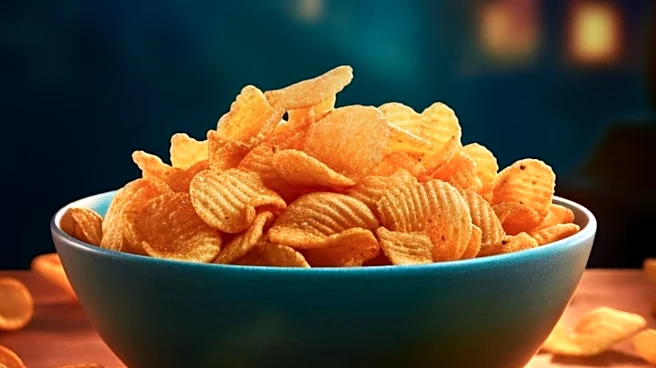
The U.S. Food and Drug Administration (FDA) has escalated a recall of several popular potato chip brands to its most serious level due to potential salmonella contamination. The recall, initially issued by Utz in May, affects varieties of Zapp’s and Dirty
potato chips. The contamination risk stems from dry milk powder used in a seasoning ingredient, sourced from a third party. Approximately 650,000 bags of chips with best-by dates from July 27 to August 31 are involved. Despite no reported illnesses, the FDA classified the recall as Class 1, indicating a reasonable probability of serious health consequences. Utz, headquartered in Hanover, Pennsylvania, has urged consumers to discard the affected products and contact the company for refunds.
Why It's Important?
This recall highlights significant concerns about food safety and the potential health risks associated with salmonella, a bacteria responsible for numerous food-borne illnesses globally. The FDA's Class 1 designation underscores the seriousness of the situation, as exposure to contaminated products could lead to severe health issues or even death. The recall affects a large volume of products, potentially impacting consumer trust in the brand and the broader food industry. It also raises questions about supply chain transparency and the responsibility of manufacturers to ensure the safety of their products. Consumers and stakeholders in the food industry are likely to scrutinize the measures taken by Utz and the FDA to prevent future incidents.
What's Next?
Consumers are advised to remain vigilant and check their pantries for the affected products. Utz has committed to refunding customers who purchased the recalled chips. The company and the FDA may face increased pressure to provide more detailed information about the contamination and the steps being taken to prevent recurrence. Legal actions could arise if consumers experience health issues linked to the recalled products. The situation may prompt broader discussions on food safety regulations and the need for stricter oversight of ingredient sourcing and manufacturing processes.
Beyond the Headlines
The recall could have long-term implications for consumer trust in food brands and regulatory bodies. It highlights the importance of transparency and accountability in the food industry, especially when dealing with health-related issues. The incident may lead to increased regulatory scrutiny and potential changes in food safety standards. Additionally, it underscores the need for companies to maintain robust quality control measures and effective communication strategies to manage public relations during such crises.