
What's Happening?
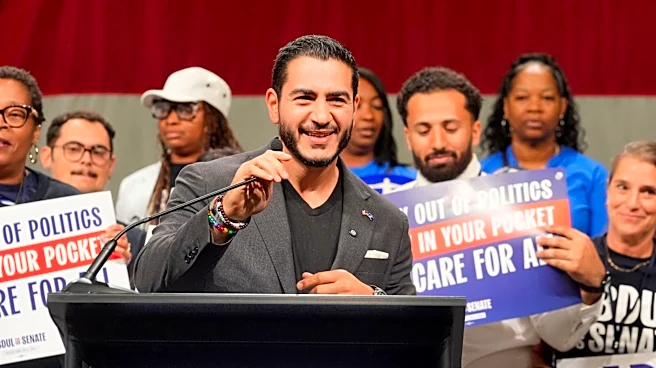
Cenk Uygur, host of 'The Young Turks,' has publicly criticized a CBS News post on X concerning Michigan Democratic Senate candidate Abdul El-Sayed. The CBS News post, which accompanied a story, highlighted
El-Sayed's past deleted tweets from 2020. These tweets reportedly compared the death toll from the coronavirus pandemic with that of the September 11, 2001, terrorist attacks. Uygur, along with Tim Miller of The Bulwark, rebuked the CBS News post, with Uygur stating, 'Ma’am, hate to bother you, but I just wanted to let you know, your mask slipped off.' Miller described the post as 'despicable anti-Muslim woke right garbage.' CBS News declined to comment on the matter, though a person familiar with the story indicated that the network saw no issue in reporting on a politician's deleted tweets and that El-Sayed's response was later added to the story. The controversy arises as media critics scrutinize CBS News' editorial decisions, particularly those of editor-in-chief Bari Weiss, for potential bias or the insertion of opinion.
Why It's Important?
This incident underscores the ongoing tension between traditional news reporting and the scrutiny it faces in the digital age, particularly from online personalities and progressive media figures like Cenk Uygur. The backlash highlights concerns about media bias and the perceived political leanings of news organizations, especially when covering sensitive topics or political candidates. For CBS News, the criticism from prominent digital voices can impact its credibility and audience trust, particularly among segments of the public that align with Uygur's views. The debate also touches on the role of past social media posts in current political campaigns and how news outlets choose to frame such information. The involvement of Bari Weiss, known for her stance against 'woke' extremes and support for Israel, further complicates the narrative, suggesting a broader ideological battle playing out in media coverage of U.S. politics.
What's Next?
The immediate aftermath may see continued discussion and debate on social media platforms regarding CBS News' editorial practices and the perceived bias in its reporting. Political commentators and media critics are likely to further analyze the implications of such coverage on public perception and the upcoming Michigan Senate race. Depending on the sustained nature of the backlash, CBS News might face internal or external pressure to address the concerns raised, though they have currently declined to comment. The incident could also prompt other news organizations to re-evaluate their policies on reporting past social media activity of political candidates and the framing of such stories. The Michigan Senate race itself may see increased scrutiny of Abdul El-Sayed's past statements, potentially influencing voter perception as the election cycle progresses.
Beyond the Headlines
This event delves into the deeper implications of media ethics, the influence of digital personalities on public discourse, and the evolving landscape of news consumption. The concept of 'mask slipping off,' as articulated by Uygur, suggests a belief that underlying biases or agendas are being revealed in mainstream media reporting. This sentiment contributes to a broader erosion of trust in traditional news institutions, as audiences increasingly turn to alternative sources for their information. The incident also highlights the challenge for news organizations in navigating a highly polarized political environment where any perceived misstep can lead to significant online condemnation. Furthermore, it raises questions about the long-term impact of past digital footprints on public figures and the extent to which historical social media posts should be re-litigated in contemporary political contexts, shaping public opinion and potentially influencing election outcomes.