


What's Happening?
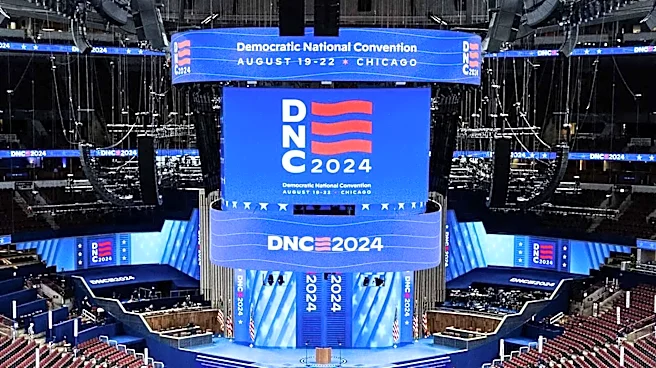
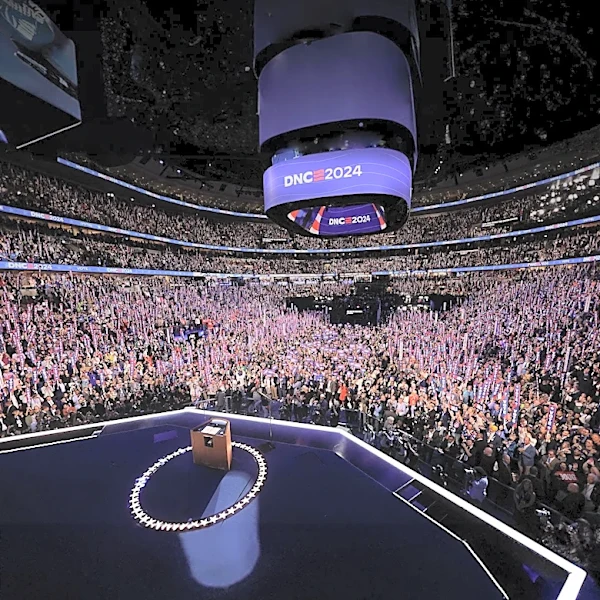
Chicago will not host the 2028 Democratic National Convention, despite having hosted the 2024 convention and submitting a bid for 2028. Officials announced that the shortlist of potential host cities has been narrowed to Philadelphia, Denver, and Boston.
Emily Soong, spokesperson for the Chicago 2028 Bid Committee, expressed the city's pride in hosting the 2024 convention and its commitment to supporting the selected host city for 2028. This decision marks a departure from Chicago's recent role as a host city for the Democratic Party's major event.
Why It's Important?
This decision is important for several reasons. For the Democratic Party, selecting a host city involves strategic considerations regarding logistics, fundraising, and political messaging. The chosen city often benefits from significant economic activity and national media attention, which can be a boon for local businesses and tourism. For Chicago, missing out on the 2028 convention means foregoing these economic and reputational benefits. For the shortlisted cities—Philadelphia, Denver, and Boston—the competition intensifies, as each city vies for the opportunity to showcase itself on a national stage and reap the associated economic windfalls. The selection process reflects the party's evolving priorities and the competitive nature of securing such a high-profile event.
What's Next?
The Democratic National Committee will now proceed with evaluating Philadelphia, Denver, and Boston to determine the final host city for the 2028 convention. This process will likely involve detailed assessments of each city's infrastructure, security capabilities, financial incentives, and political landscape. The chosen city will then begin extensive preparations, including securing venues, arranging accommodations, and coordinating with local law enforcement and community organizations. The announcement of the final host city will be a significant event, setting the stage for the next major gathering of the Democratic Party and influencing political narratives leading up to the 2028 presidential election.
Beyond the Headlines
Beyond the immediate logistical and economic impacts, the selection of a convention host city carries symbolic weight. It can signal the party's focus on certain regions or demographics, influencing political strategy and voter engagement. The choice of Philadelphia, Denver, or Boston could reflect a desire to energize specific voter bases or highlight particular policy priorities. Furthermore, the process of bidding and selection often involves complex negotiations between party officials, city leaders, and local stakeholders, revealing the intricate interplay of politics, economics, and urban development. The convention serves not only as a formal nomination event but also as a massive public relations opportunity, shaping national perceptions of the party and its future direction.