






What's Happening?
U.S. Rep. Mike Simpson, R-Idaho, joined National Park Service personnel, local elected officials, and the Friends of Minidoka to showcase three historic restoration projects at Idaho’s Minidoka National Historic Site. These projects are funded by $5 million
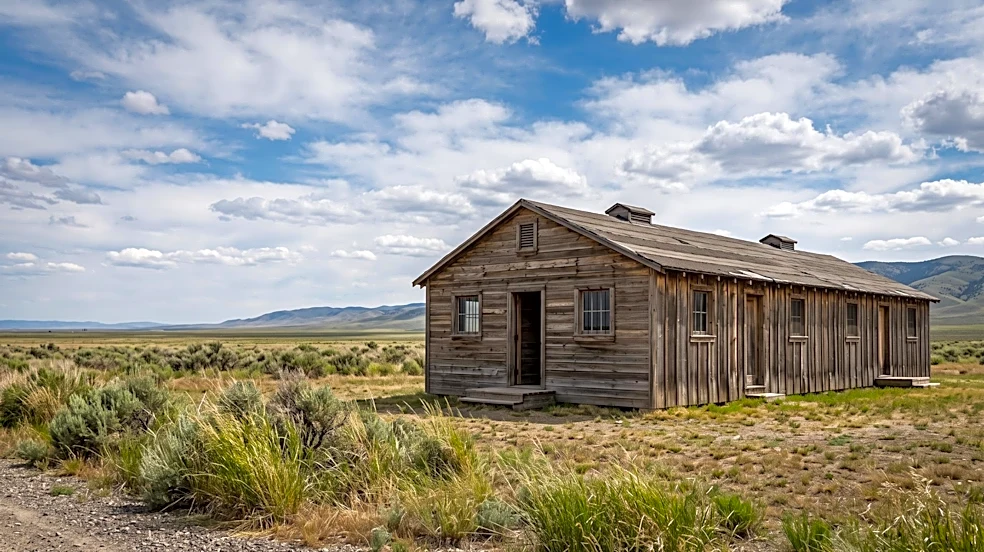
from the federal Great American Outdoors Act, signed into law by President Trump in 2020. The restoration efforts at Minidoka aim to preserve the history of the site where over 13,000 Japanese Americans were incarcerated without due process during World War II. The funding is specifically being used to restore a root cellar, a mess hall, and a barracks from the camp. Additionally, the Friends of Minidoka have secured $650,000 in grants for interpretive exhibits and a digital mapping project, with a goal to raise an additional $100,000. The overall objective of the Great American Outdoors Act's Legacy Restoration Fund is to address a significant backlog of maintenance projects across National Park Service sites nationwide. Simpson emphasized the critical need for Congress to reauthorize funding from the Legacy Restoration Fund, which recently expired, to continue these vital preservation efforts.
Why It's Important?
The restoration projects at Minidoka National Historic Site are crucial for preserving a significant and often painful chapter of U.S. history, ensuring that the experiences of Japanese Americans incarcerated during World War II are not forgotten. This initiative underscores the federal government's commitment to historical preservation and education, particularly concerning civil liberties and due process. The call by Rep. Simpson to reauthorize the Legacy Restoration Fund highlights a broader national issue: the substantial maintenance backlog in U.S. national parks and historic sites. Continued funding is essential not only for sites like Minidoka but also for other national treasures such as Craters of the Moon National Monument and Preserve and Hagerman Fossil Beds National Monument, which also benefit from this fund. The reauthorization would ensure the ongoing protection and accessibility of these sites for future generations, supporting both historical understanding and the economic benefits derived from national park tourism. Failure to reauthorize could lead to further deterioration of critical infrastructure and historical structures, diminishing their educational and cultural value.
What's Next?
The immediate next step involves congressional action to reauthorize funding for the Legacy Restoration Fund under the Great American Outdoors Act. Rep. Simpson's public call puts pressure on Congress to address this expired funding mechanism. Stakeholders, including the National Park Service, Friends of Minidoka, and other preservation groups, will likely continue to advocate for the fund's renewal to ensure the completion of ongoing projects and the initiation of new ones. The restoration projects at Minidoka are projected to be completed by the spring of 2028, contingent on sustained funding. If the fund is not reauthorized, future restoration and maintenance efforts at national parks and historic sites across the country could face significant delays or be halted entirely, impacting their long-term preservation and public access. The Friends of Minidoka will also continue their fundraising efforts to secure the remaining $100,000 needed for their interpretive exhibits and digital mapping project.
Beyond the Headlines
The preservation efforts at Minidoka extend beyond mere physical restoration; they serve as a powerful reminder of the fragility of civil liberties and the importance of due process, particularly in times of national crisis. The site stands as a tangible lesson against xenophobia and mass incarceration based on ethnicity. By restoring these structures and developing interpretive exhibits, the project aims to foster empathy and understanding among visitors, ensuring that the historical injustices committed against Japanese Americans are never repeated. The personal testimonies of survivors, like Karen Hirai Olen, underscore the profound, lasting impact of such policies on individuals and families. This initiative also highlights the ongoing tension between the public's love for national parks and the consistent need for adequate federal funding to maintain them, reflecting a broader national debate on infrastructure investment and historical memory.