
What's Happening?
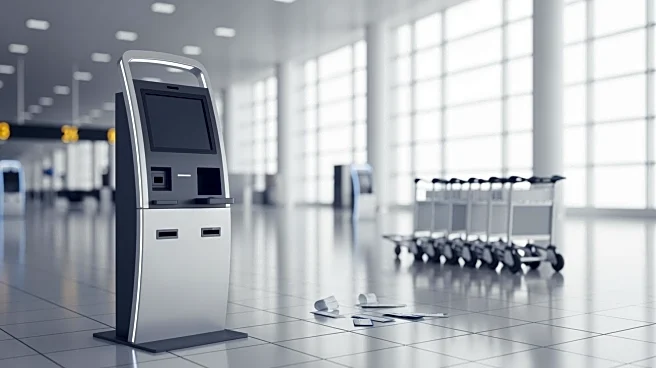
Recent travel disruptions have highlighted significant issues with the self-service model adopted by airlines. A commentary piece describes a personal experience of travel chaos, including flight delays
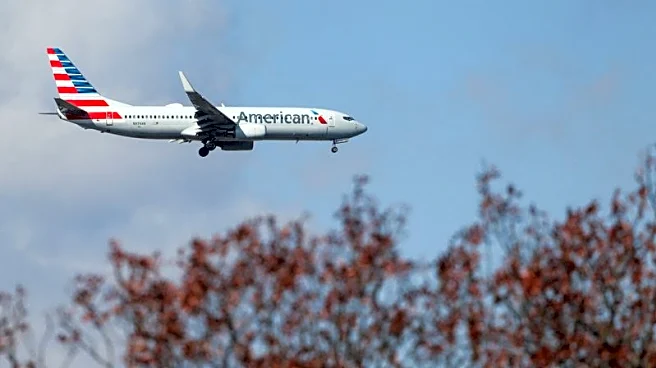
and cancellations, which have become increasingly common. The author recounts a holiday trip disrupted by a last-minute flight rescheduling by American Airlines, with no personnel available to assist passengers. This incident is part of a broader trend where airlines and other service industries have shifted responsibilities onto consumers, often leaving them to navigate complex situations without adequate support. The commentary criticizes the lack of customer service, noting that travelers are often left to find their own solutions, sometimes at significant personal cost.
Why It's Important?
The shift towards self-service in the airline industry reflects a broader trend in various sectors where companies reduce costs by minimizing direct customer support. This approach can lead to significant consumer dissatisfaction, as individuals are forced to handle complex issues without professional assistance. The lack of adequate customer service can result in increased stress and financial burdens for travelers, potentially affecting the reputation and customer loyalty of airlines. Moreover, this trend raises questions about the balance between technological convenience and the need for human interaction in service industries.
What's Next?
As consumer frustration grows, there may be increased pressure on airlines and other service industries to reevaluate their customer service models. Potential responses could include hiring more staff to assist customers during disruptions or improving digital platforms to provide more effective support. Regulatory bodies might also step in to ensure that companies maintain a certain level of customer service, especially in critical sectors like transportation. The ongoing debate about the role of technology versus human interaction in customer service is likely to continue, with potential implications for employment and service quality.
Beyond the Headlines
The reliance on self-service models raises ethical questions about the responsibilities of companies to their customers. While technology can enhance efficiency, it should not come at the expense of customer care. The trend also highlights a potential shift in job markets, as traditional customer service roles are reduced or transformed. This could have long-term implications for employment patterns and the skills required in the workforce. Additionally, the increasing complexity of self-service systems may widen the gap between tech-savvy consumers and those less comfortable with digital tools, potentially leading to inequality in access to services.