



What's Happening?
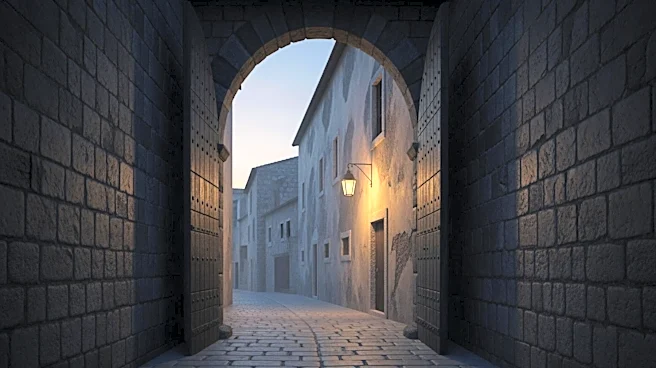
Jerusalem's Old City, typically bustling with pilgrims during Holy Week, is experiencing an unusual quietness due to wartime restrictions. The Austrian Pilgrim Hospice, a 163-year-old guesthouse, usually requires bookings 16 months in advance, but currently
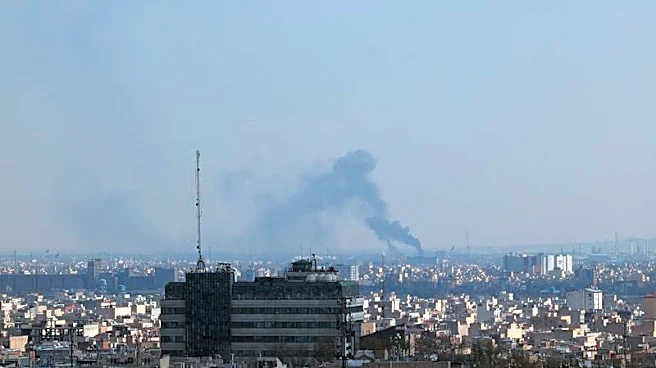
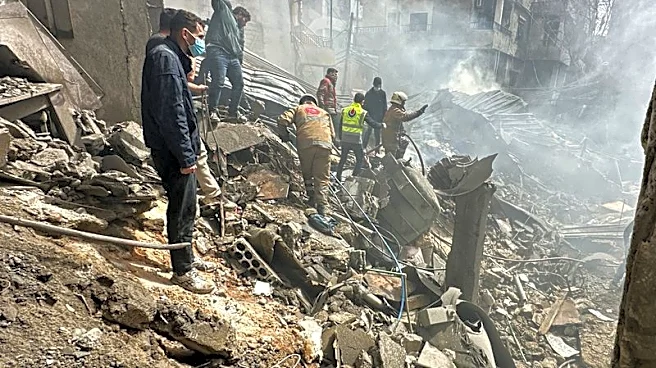
has vacancies, highlighting the impact of the conflict. The Israeli government has closed holy sites, including the Church of the Holy Sepulchre and the al-Aqsa Mosque, citing security concerns following the U.S. and Israel's military actions against Iran. This has led to a significant decrease in the number of pilgrims and tourists, affecting local businesses that rely heavily on the influx of visitors during this period.
Why It's Important?
The restrictions in Jerusalem's Old City during Holy Week have significant economic and cultural implications. The closure of religious sites and the absence of pilgrims disrupt the local economy, which depends on tourism. Many residents, particularly Palestinian shopkeepers, face financial hardships as their primary source of income dwindles. The situation also highlights the broader geopolitical tensions in the region, as the conflict between Israel and Iran affects religious practices and tourism. The restrictions underscore the delicate balance between security measures and the preservation of cultural and religious traditions in a city that holds significance for multiple faiths.
What's Next?
The continuation of restrictions in Jerusalem's Old City is likely to persist as long as security concerns remain. The Israeli authorities may face pressure from religious and international communities to find a balance that allows for the safe resumption of religious activities. Local businesses will need to adapt to the ongoing situation, potentially seeking alternative revenue streams or support from government programs. The broader geopolitical situation will also influence future decisions regarding access to religious sites, as stakeholders navigate the complex interplay of security, diplomacy, and religious freedom.
Beyond the Headlines
The current situation in Jerusalem's Old City raises questions about the long-term impact on interfaith relations and the preservation of cultural heritage. The restrictions highlight the vulnerability of religious tourism to geopolitical conflicts, prompting discussions on how to safeguard cultural and religious practices in volatile regions. Additionally, the economic strain on local communities may lead to increased calls for international support and intervention to ensure the sustainability of these historic sites and the livelihoods of those who depend on them.