

What's Happening?
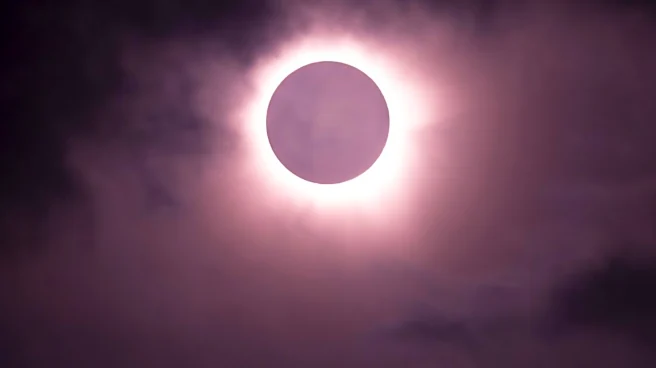
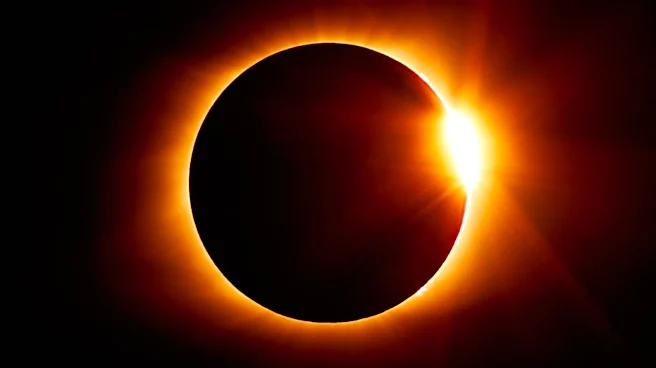
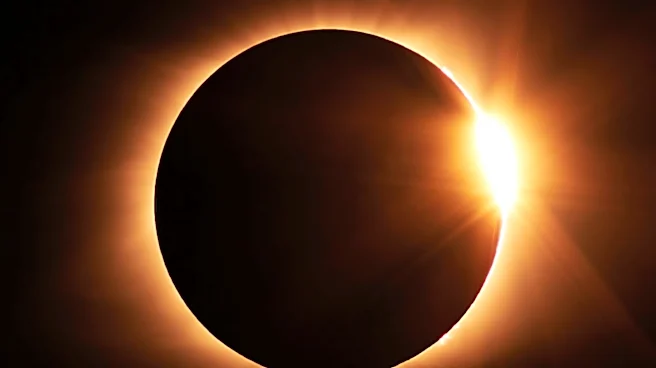
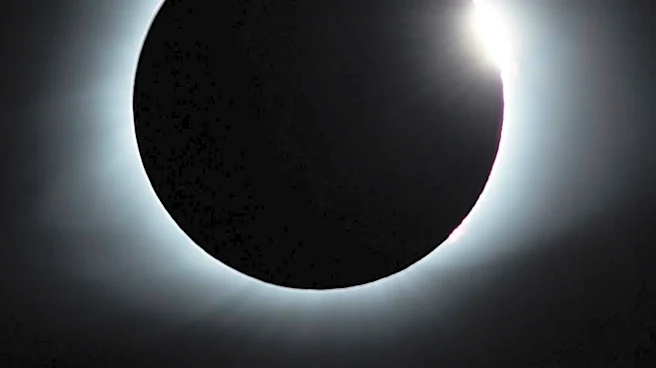
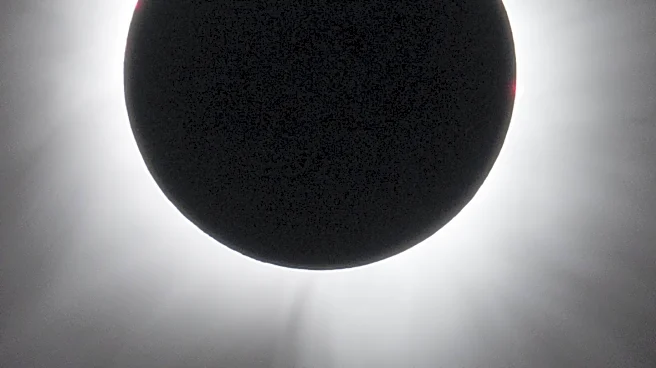
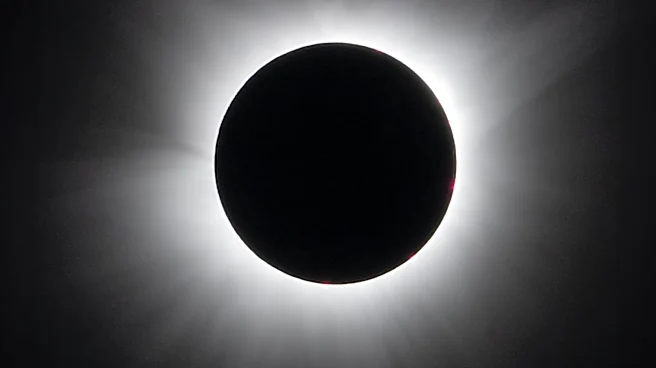
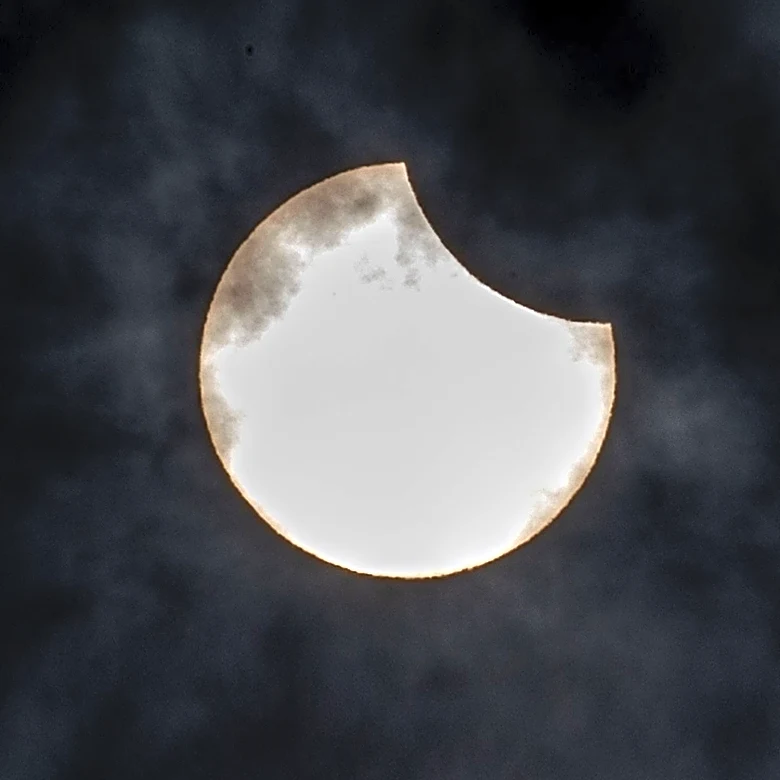
Scientists are preparing to study a total solar eclipse that will be visible in northern Spain on August 12. This event provides a rare opportunity to observe the sun's corona and chromosphere, which are typically obscured by the sun's bright light. The
eclipse will allow researchers to examine the sun's magnetic field and atmospheric conditions, which can lead to solar storms affecting Earth. Historically, solar eclipses have been pivotal in scientific discoveries, such as confirming Einstein's theory of relativity. The upcoming eclipse will last for a minute and 40 seconds, offering a brief but valuable window for scientific observation.
Why It's Important?
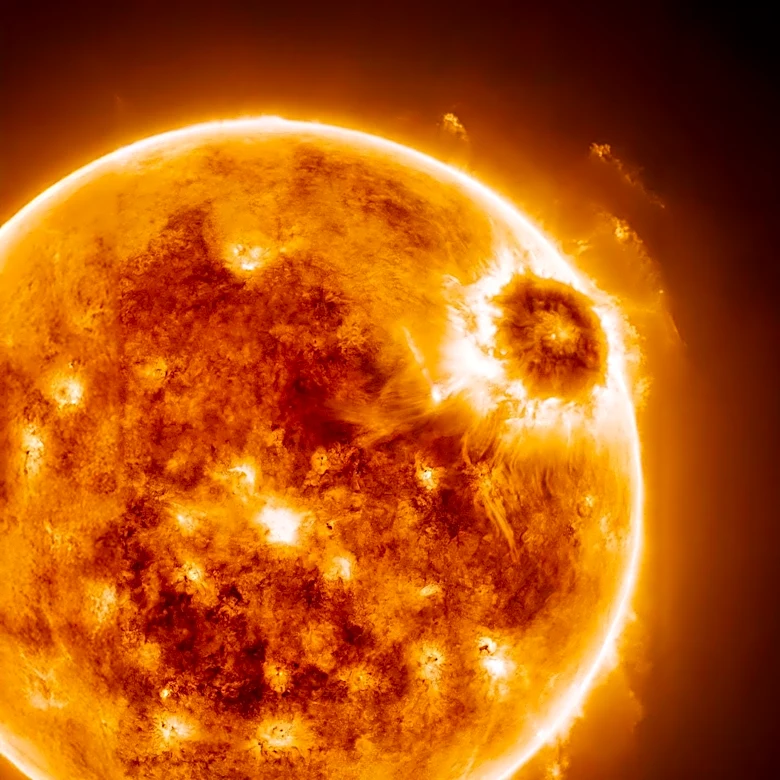
The study of solar eclipses is crucial for understanding solar activity and its impact on Earth. Solar storms, which originate from the sun's corona, can disrupt satellites, pose risks to astronauts, and create auroras. By analyzing the eclipse, scientists aim to improve models predicting solar activity, which follows an 11-year cycle. This research is vital for preparing for and mitigating the effects of solar storms on technology and infrastructure. The insights gained could enhance our understanding of the sun's lifecycle and its influence on the solar system.
What's Next?
Following the eclipse, scientists from the European Space Agency and other institutions will analyze the data collected to refine their models of solar activity. The ESA's Solar Orbiter probe, launched in 2020, will continue to gather information on the sun's atmosphere and solar winds. Future missions, such as Proba-3 and MESOM, aim to create artificial eclipses in space to extend observation periods. These efforts will contribute to a deeper understanding of solar phenomena and improve predictive capabilities for solar storms.
Beyond the Headlines
Total solar eclipses not only advance scientific knowledge but also inspire cultural and artistic endeavors. The unique alignment of the sun and moon during an eclipse captivates both scientists and the public, fostering a broader appreciation for space science. This event highlights the interconnectedness of scientific research and cultural expression, as well as the importance of public engagement in scientific exploration.