








What's Happening?
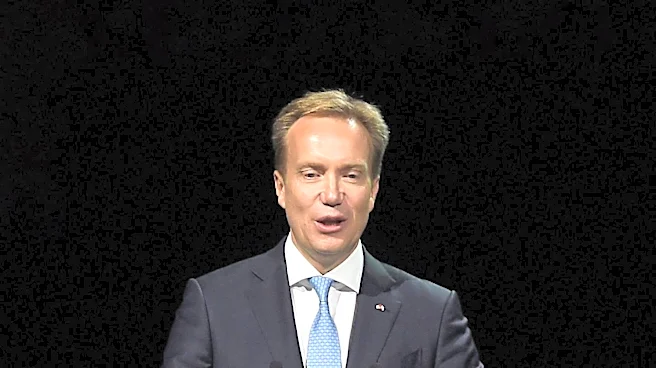
President Yoweri Kaguta Museveni has called upon the people of Busoga to embrace wealth-creation programs and adopt productive agricultural practices tailored to their landholdings. This initiative aims to combat household poverty in the region. The President made
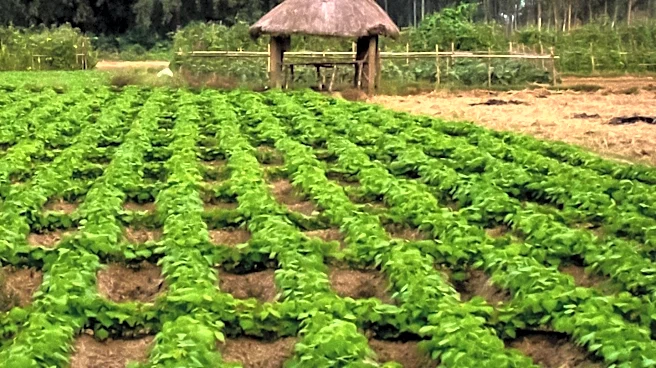
these remarks during a thanksgiving ceremony for Hon. Babirye Milly Babalanda, Minister for the Presidency and Budiope West Member of Parliament, held at Iringa Township Primary School in Nkondo Sub-county, Buyende District. President Museveni highlighted land fragmentation as a significant challenge to household incomes in Busoga, noting that smaller inherited land portions hinder economic security through traditional farming. Since 1996, the NRM Government has promoted strategies like the Four-Acre Model to maximize income from limited land through diverse productive enterprises. He encouraged farmers to select enterprises based on land size, suggesting intensive agriculture for small plots and extensive production for larger ones. Examples cited included dairy farming, poultry, and fish farming for their potential to generate substantial incomes from relatively small areas. The government has identified commercial agriculture, services, ICT, and manufacturing as key sectors for wealth creation and economic transformation, urging citizens to identify opportunities within these sectors based on their circumstances and resources.
Why It's Important?
This directive from President Museveni is crucial for the economic development and poverty alleviation efforts in Uganda, particularly in the Busoga region. By emphasizing wealth creation programs and productive agriculture, the government aims to address systemic issues like land fragmentation that impede economic progress for many households. The promotion of the Four-Acre Model and diversification into high-yield enterprises such as dairy, poultry, and fish farming could significantly boost household incomes and improve living standards. This approach seeks to empower individuals to make the most of their available resources, moving away from reliance on less profitable crops like sugarcane, rice, and tobacco on small plots. The focus on commercial agriculture, services, ICT, and manufacturing as broad sectors for economic transformation indicates a strategic vision to modernize and diversify the Ugandan economy. Successful implementation of these programs could lead to increased food security, reduced poverty rates, and a more resilient local economy in Busoga, potentially serving as a model for other regions facing similar challenges.
What's Next?
Following President Museveni's call, the people of Busoga are expected to engage more actively with the government's wealth-creation programs and adopt the recommended productive agricultural practices. The Parish Development Model (PDM) funds are anticipated to be utilized for investments in enterprises capable of generating sustainable household incomes. Local leaders and government officials will likely intensify efforts to educate and mobilize communities on the benefits and implementation of the Four-Acre Model and other economic opportunities. There will be continued regulation of natural resources like minerals and water bodies by the government, with communities encouraged to benefit within established legal frameworks, including fish farming at the edges of wetlands. The government also plans to continue regulating fishing on lakes to ensure sustainable utilization of fisheries resources while supporting local communities in fish farming. Additionally, President Museveni pledged to provide a milk tank and cooling facility to support milk production in Buyende District, indicating direct government support for specific agricultural sectors.
Beyond the Headlines
The President's emphasis on tailored agricultural practices and wealth creation programs in Busoga highlights a broader national strategy to address economic disparities and foster self-sufficiency at the grassroots level. The challenge of land fragmentation, a common issue in many developing nations, underscores the need for innovative agricultural models that maximize output from limited land. By promoting intensive farming and diversification, the government is not only aiming for economic upliftment but also subtly encouraging a shift in traditional agricultural mindsets. The integration of sectors like ICT and manufacturing into the wealth creation framework suggests a forward-looking approach to economic development, moving beyond purely agrarian models. This initiative also touches upon the delicate balance between community resource utilization and government regulation, particularly concerning natural resources like wetlands and fisheries. The success of these programs could have long-term implications for rural development, potentially reducing urban migration pressures and fostering a more equitable distribution of wealth across Uganda.