





What's Happening?
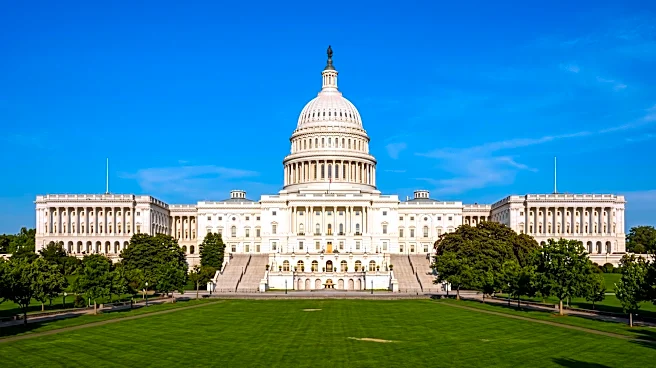
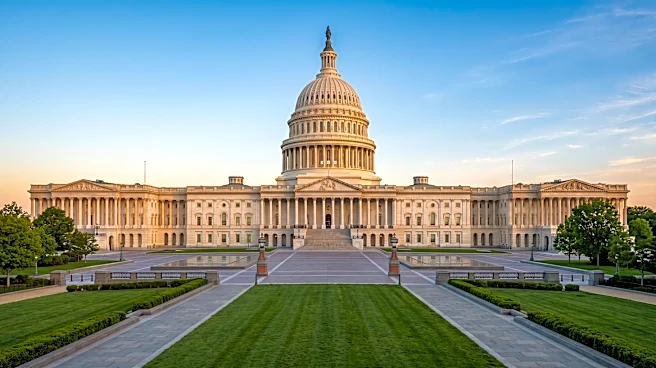
Congresswoman Susie Lee (NV-03), alongside Congressmen Juan Ciscomani (AZ-06), David Valadao (CA-22), and Greg Stanton (AZ-04), has introduced the bipartisan Earn to Learn Act. This legislation aims to create a matched-savings program designed to help
low-income students, including adult learners, cover the rising costs of higher education, such as tuition, books, and other related expenses. The bill is modeled after the successful Earn to Learn program, which has demonstrated positive outcomes in student retention and reduced reliance on student loans. Under the proposed program, qualifying students would deposit $500 into an educational savings account, which would then be matched at an 8:1 ratio through a combination of university support and public or philanthropic funding. This structure could allow participants to receive up to $4,500 per academic year for their educational needs. The initiative seeks to address the significant student loan debt crisis in the United States, with Nevada alone facing approximately $13.2 billion in student loan debt among nearly 368,000 residents, and 25% of those borrowers in default.
Why It's Important?
The introduction of the Earn to Learn Act is a significant step towards making higher education more accessible and affordable for low-income students across the U.S. The current student loan crisis, highlighted by the substantial debt burden in states like Nevada, underscores the urgent need for innovative solutions. By establishing a matched-savings program, the legislation aims to reduce students' reliance on loans, thereby mitigating future debt and improving financial literacy. The program's focus on low-income and adult learners is crucial for fostering upward mobility and ensuring that educational opportunities are not limited by financial constraints. Endorsements from institutions like the Nevada System of Higher Education and UNLV suggest a recognized need and potential for widespread impact. If successful, this model could serve as a blueprint for national efforts to combat student debt, enhance college retention rates, and produce graduates with less financial burden, ultimately strengthening the workforce and economy.
What's Next?
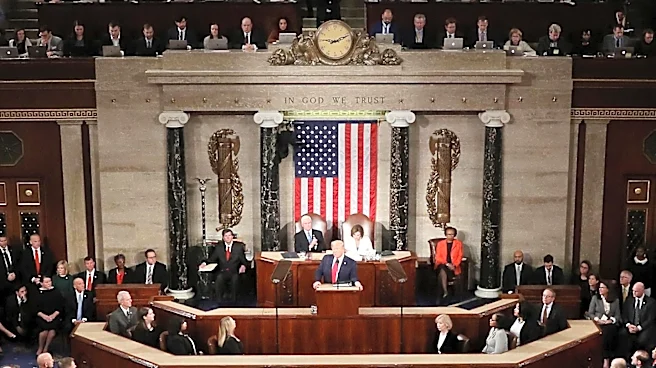
The Earn to Learn Act will now proceed through the legislative process in Congress. Its bipartisan nature suggests a potential for broader support, but it will need to gain traction and pass through committees before being considered for a full vote in the House and Senate. Stakeholders, including educational institutions, student advocacy groups, and financial aid organizations, will likely continue to voice their support and potentially lobby for its passage. If enacted, the bill would establish a demonstration program projected to provide approximately 250,000 scholarships over five years. The success of this initial phase would be critical in determining the program's long-term viability and potential for expansion. The ongoing debate around higher education affordability and student debt will undoubtedly keep this legislation in the spotlight, with its progress closely watched by students, educators, and policymakers alike.
Beyond the Headlines
Beyond its immediate financial benefits, the Earn to Learn Act addresses deeper societal issues related to educational equity and economic mobility. The current system often perpetuates cycles of poverty by making higher education unattainable for those without significant financial resources or access to loans. This legislation, by providing a structured savings and matching program, not only offers financial assistance but also instills principles of financial planning and responsibility in students. The emphasis on reducing student loan debt could lead to a generation of graduates better positioned to invest in their futures, purchase homes, and contribute to the economy without the heavy burden of debt. Furthermore, the bipartisan support for such an initiative highlights a potential area of common ground in a politically divided landscape, suggesting that practical, impactful solutions to pressing national issues can still emerge through collaborative efforts. The long-term cultural shift towards valuing savings and financial literacy in educational pursuits could have profound positive effects on individual well-being and national economic health.