





What's Happening?
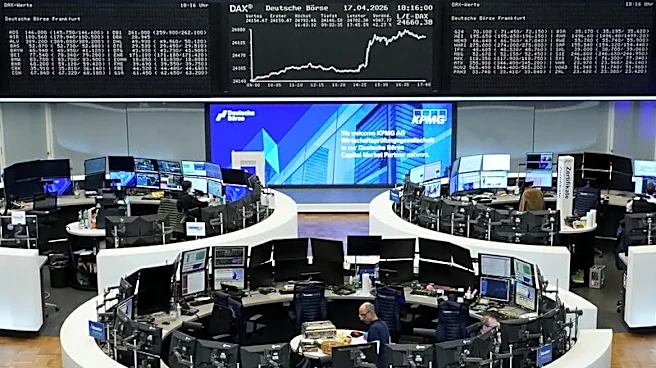
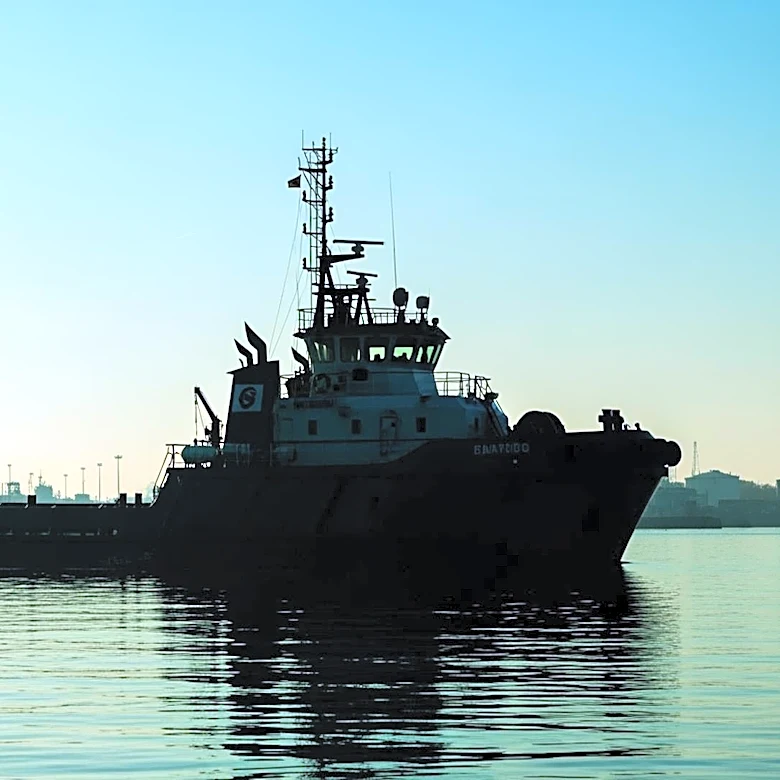
Global oil prices increased after President Trump announced the U.S. seizure of an Iran-flagged cargo ship. Iran had closed the Strait of Hormuz to commercial vessels, threatening to target any approaching ships. The conflict has led to volatile energy
markets, with Brent crude futures rising significantly. The situation has triggered a global energy crisis, particularly affecting Asia, which relies heavily on shipments through the Strait. Countries are implementing measures to conserve energy, including reducing work hours and limiting air conditioning use.
Why It's Important?
The closure of the Strait of Hormuz and the subsequent rise in oil prices have created a global energy crisis, impacting economies and industries worldwide. Asia, heavily dependent on energy imports through the Strait, faces significant challenges, with governments taking drastic measures to conserve energy. The situation highlights the vulnerability of global energy supply chains to geopolitical conflicts and the potential for widespread economic disruption.
What's Next?
The ongoing conflict and the U.S. naval blockade could lead to further disruptions in oil supply, affecting global markets. Countries may continue to implement energy-saving measures, while negotiations between the U.S. and Iran remain uncertain. The international community will likely seek diplomatic solutions to prevent further escalation and stabilize energy markets.