






What's Happening?
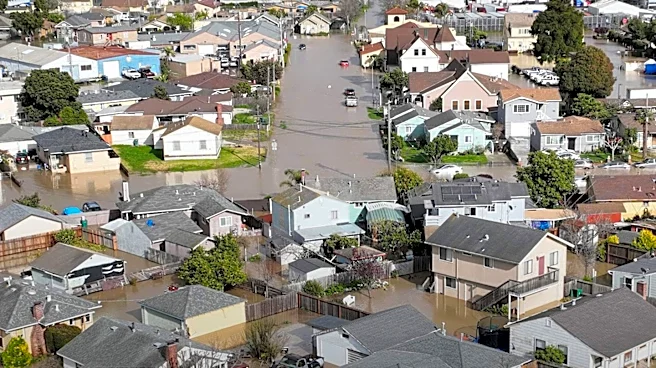
A flood advisory has been issued for San Francisco and San Mateo counties, effective until 8:30 p.m. The National Weather Service has warned of minor flooding in low-lying and poor drainage areas, with water reported over roadways. Residents are advised
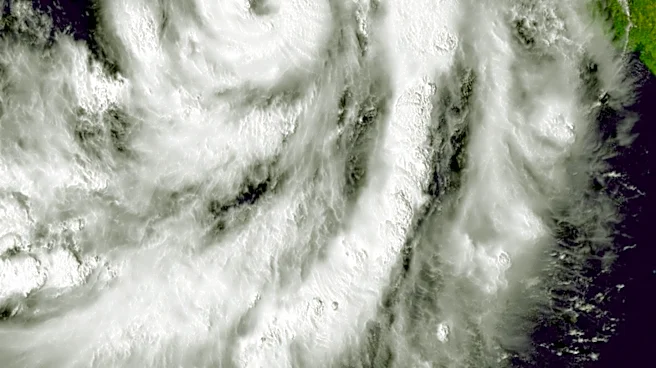
to avoid driving through flooded roads and to turn around if encountered. Concurrently, Southern California is bracing for coastal flooding due to massive waves and the approach of two storm systems. High surf warnings and beach hazard statements have been issued for the region, indicating significant marine impacts. These advisories highlight immediate concerns for localized flooding and broader coastal impacts across different parts of California.
Why It's Important?
The flood advisories in California carry significant implications for public safety, infrastructure, and local economies. Minor flooding in urban areas can disrupt daily commutes, damage property, and strain emergency services. For San Francisco and San Mateo counties, even minor flooding can lead to traffic delays and localized power outages, affecting businesses and residents. In Southern California, the combination of massive waves and incoming storm systems poses a severe threat to coastal communities. This could result in beach erosion, damage to coastal properties, and potential closures of popular recreational areas, impacting tourism and local businesses reliant on coastal activities. The warnings underscore the increasing vulnerability of U.S. coastal regions to extreme weather events and the need for robust preparedness measures.
What's Next?
Authorities will continue to monitor weather conditions and flood levels in both Northern and Southern California. Residents in affected areas are advised to stay informed through local weather updates and emergency alerts. For San Francisco and San Mateo counties, the advisory is set to expire at 8:30 p.m., but conditions will be reassessed. In Southern California, the high surf warnings and beach hazard statements indicate that coastal communities should prepare for sustained impacts from large waves and potential storm surges. Emergency services will likely remain on high alert, and public works departments may deploy resources for flood control and damage mitigation. Further storm systems could prolong these conditions, necessitating ongoing vigilance and response efforts.
Beyond the Headlines
The recurring nature of flood advisories and coastal warnings in California points to a broader trend of increased climate-related challenges. These events highlight the long-term implications of climate change, including rising sea levels and more intense storm patterns, which exacerbate flood risks. The economic burden of such events, from property damage to lost business revenue, can be substantial for affected communities. Furthermore, the psychological impact on residents facing repeated threats of flooding can be significant. This situation underscores the critical need for long-term climate adaptation strategies, including improved infrastructure, updated zoning regulations for coastal development, and enhanced early warning systems to protect both lives and livelihoods in vulnerable regions.