



What's Happening?
The United Nations has released a report highlighting the widening gap between rich and poor nations, emphasizing the unfulfilled promises of global financial reforms agreed upon last year. The report assesses the Seville Commitment, adopted in Seville,
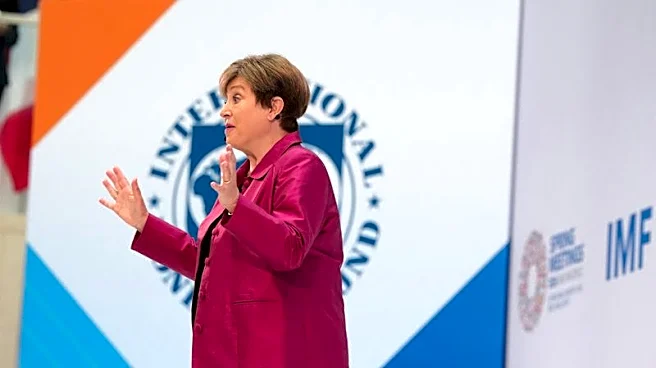
Spain, which aimed to close a $4 trillion annual financing gap for development by reforming major financial institutions like the IMF and World Bank. U.N. Secretary-General António Guterres has criticized these institutions for disproportionately benefiting wealthy countries and failing in their mission, particularly during the COVID-19 pandemic. The report comes ahead of the IMF and World Bank's spring meetings in Washington, where these issues are expected to be discussed.
Why It's Important?
The growing financial gap between nations poses significant challenges to achieving global development goals by 2030. The failure to implement promised reforms could exacerbate economic disparities, leaving developing countries struggling to attract necessary financing. The criticism of the IMF and World Bank highlights the need for a more equitable financial system that supports all nations, especially in times of crisis. The report underscores the urgency of addressing these issues to prevent further economic instability and ensure sustainable development worldwide.
What's Next?
The upcoming spring meetings of the IMF and World Bank in Washington will be crucial in determining the future of global financial reforms. Stakeholders, including political leaders and financial institutions, will need to address the criticisms and work towards implementing the Seville Commitment. The discussions may lead to new strategies for closing the financial gap and supporting developing countries. The outcome of these meetings could significantly impact international economic policies and the role of major financial institutions in promoting global growth.
Beyond the Headlines
The report raises ethical concerns about the dominance of wealthy nations in decision-making at global financial institutions. This imbalance may hinder efforts to create a fair and inclusive economic system. The call for reforms reflects a broader push for transparency and accountability in international finance, which could lead to long-term shifts in how these institutions operate. Addressing these issues is essential for fostering trust and cooperation among nations, ultimately contributing to global stability and prosperity.