








What's Happening?
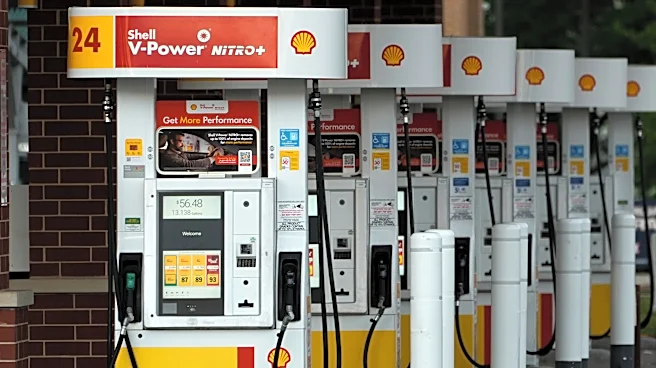
The national average price for a gallon of regular gasoline in the United States has risen to $4.0030 as of July 20, 2026, according to AAA data. This increase is attributed to higher oil costs and market pressures, exacerbated by renewed hostilities
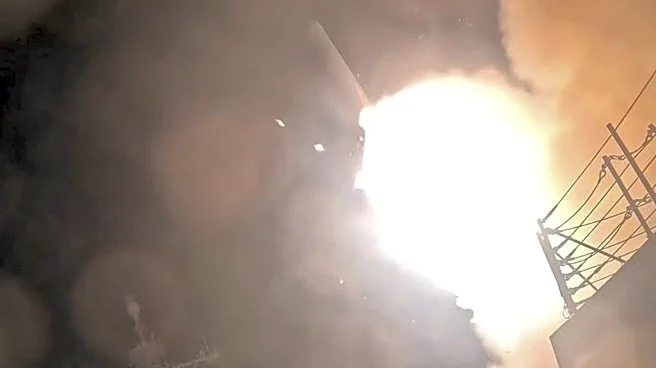
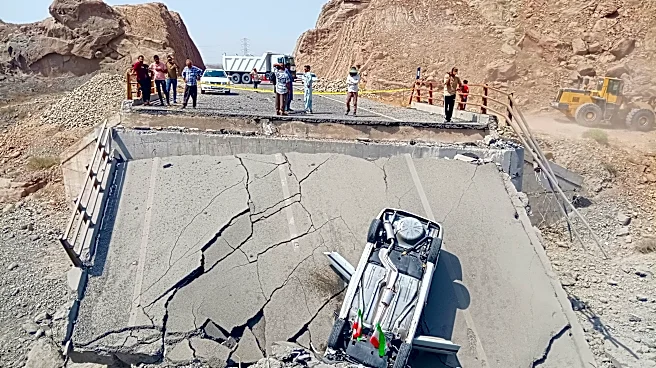
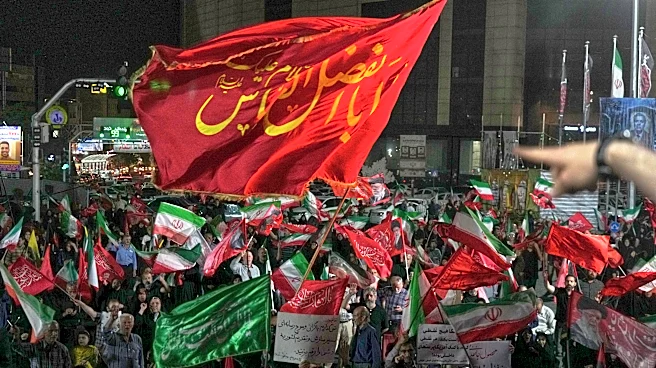
in the Middle East and the effective closure of the Strait of Hormuz. The average price has increased by approximately 13 cents over the past week. The conflict between the U.S. and Iran has led to significant disruptions in oil supply, particularly affecting the West Coast, which relies heavily on Middle Eastern imports. President Trump has urged gas retailers to lower their prices and has announced that the Department of Justice will investigate alleged price gouging by U.S. oil majors, although industry representatives deny these allegations.
Why It's Important?
The rise in gas prices has significant implications for the U.S. economy and consumers. Higher fuel costs can lead to increased transportation and production expenses, potentially driving up the prices of goods and services. This situation could exacerbate inflationary pressures, affecting household budgets and consumer spending. The West Coast, with its reliance on Middle Eastern oil and high fuel taxes, is particularly vulnerable. The ongoing conflict in the Middle East and the closure of the Strait of Hormuz, a critical oil transit route, have further strained global oil supplies, impacting prices worldwide. The situation underscores the geopolitical risks associated with energy dependence and highlights the need for diversified energy sources.
What's Next?
The future trajectory of gas prices will depend on the security of regional oil exports and any measures the U.S. administration takes to stabilize energy markets. The White House is under pressure to address rising fuel costs, and further policy announcements are anticipated. Energy Secretary Chris Wright has indicated that the administration's priority is to ensure the recovery of oil flows through the Strait of Hormuz. Diplomatic efforts may continue, but the focus is on maintaining oil and gas flow, with or without Iranian cooperation. The situation remains fluid, with potential impacts on the upcoming midterm elections as economic concerns weigh on voters.