




What's Happening?
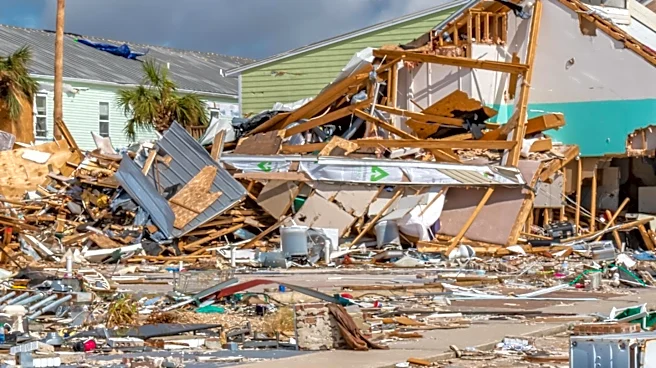
Homeowners in Menasha and Neenah, Wisconsin, are encountering significant difficulties with their insurance claims more than a month after a tornado caused widespread damage. Many residents, including Al Lafaive, report prolonged processes with multiple
adjusters and disputes over coverage amounts. Some homeowners on social media have expressed frustration, stating that insurance companies are offering significantly less than what contractors quote for repairs. For instance, one homeowner mentioned being offered only one-seventh of the estimated repair cost. Attorney Erik Fuehrer of Remley Law, S.C., highlights that issues often stem from the two main types of home insurance policies: Replacement Cost Value, which covers the full cost to replace an item, and Assessed Cash Value, which only covers the depreciated value. Many homeowners, seeking cheaper policies, may unknowingly opt for less comprehensive coverage. Contractors, such as Zac Schultz of AZ Wisco Inc., corroborate these difficulties, noting that insurers are often providing low offers even for policies that should cover replacement costs. Schultz also observed instances where insurance companies repeatedly send adjusters for seemingly obvious damage, leading to delays and frustration among affected residents.
Why It's Important?
The challenges faced by homeowners in Menasha and Neenah underscore a critical issue within the U.S. insurance industry regarding disaster recovery and policy interpretation. This situation highlights the potential for significant financial strain on individuals and families attempting to rebuild their lives after natural disasters. When insurance payouts fall short of actual repair or replacement costs, homeowners are forced to cover the difference, potentially leading to debt, delayed recovery, or even abandonment of properties. This can have broader economic implications for affected communities, hindering local recovery efforts and impacting property values. The discrepancy between contractor quotes and insurance offers also points to a potential systemic issue where insurers may be underestimating damage or leveraging policy nuances to minimize payouts. This can erode public trust in insurance providers and lead to increased litigation. Furthermore, the advice from legal experts for homeowners to thoroughly understand their policies and document damage emphasizes the need for greater transparency and consumer education within the insurance sector, especially in areas prone to severe weather events.
What's Next?
Homeowners in Menasha and Neenah are advised to meticulously review their insurance policies and document all damage with photographs immediately after a disaster. Legal experts recommend that if an adjuster claims an item is not covered, they must show where this is stated in the policy. For major repair work, homeowners should seek insurance approval and collaborate with contractors experienced in working with insurance companies. If disputes persist, affected individuals can file complaints with the Wisconsin Commissioner of Insurance. This process could lead to investigations into insurance company practices and potentially result in regulatory actions or policy adjustments to better protect consumers. The ongoing challenges may also prompt local and state officials to review existing insurance regulations and consumer protection laws to ensure fair treatment for disaster victims. Additionally, the experiences of these homeowners could serve as a cautionary tale, encouraging other property owners in disaster-prone areas across the U.S. to scrutinize their insurance coverage more closely and advocate for clearer, more comprehensive policies.
Beyond the Headlines
The struggles of Menasha and Neenah homeowners reveal deeper societal and ethical considerations within the U.S. insurance landscape. The disparity between 'Replacement Cost Value' and 'Assessed Cash Value' policies, often chosen by consumers seeking lower premiums, highlights a critical gap in understanding and preparedness for catastrophic events. This situation raises questions about the ethical responsibilities of insurance providers to clearly communicate policy limitations and the role of regulatory bodies in ensuring fair and transparent practices. The emotional and financial toll on individuals navigating complex claims processes after losing their homes can be immense, leading to long-term psychological stress and economic instability. This scenario also underscores the broader impact of climate change, as increasingly frequent and severe weather events place greater pressure on insurance systems and expose vulnerabilities in existing policies. The need for robust consumer advocacy, clearer policy language, and potentially new legislative frameworks to protect homeowners in the face of escalating natural disasters becomes increasingly evident, pushing for a reevaluation of how risk is shared and managed in a changing climate.