



What's Happening?
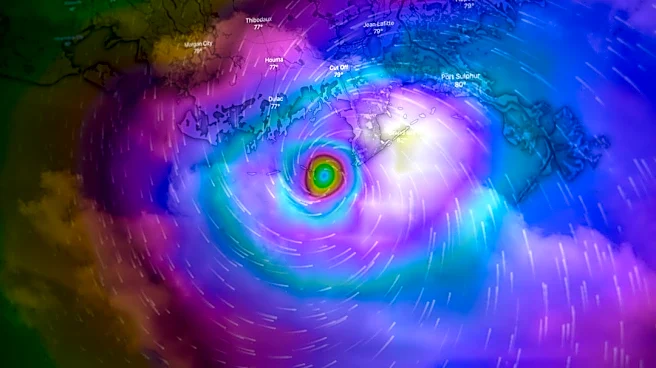
New research from Virginia Tech, led by doctoral student Atefeh Alipour, has identified eight unique storm surge patterns along the U.S. coastline over the past two decades. This study, utilizing a machine learning approach on 50,000 time series from 700
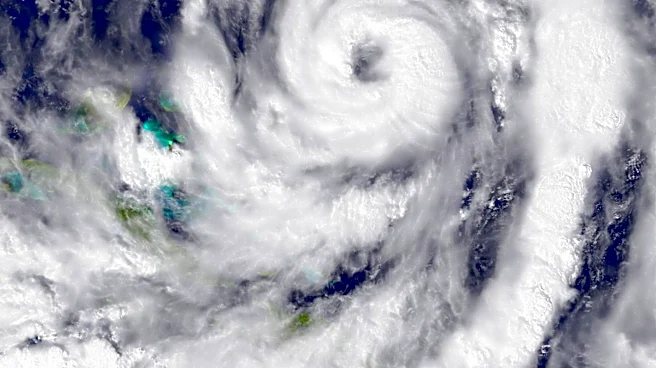
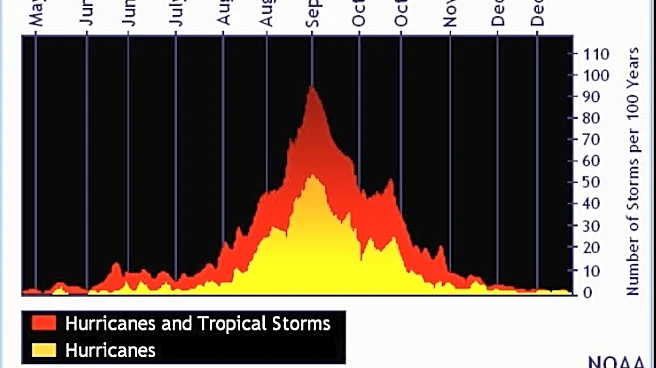
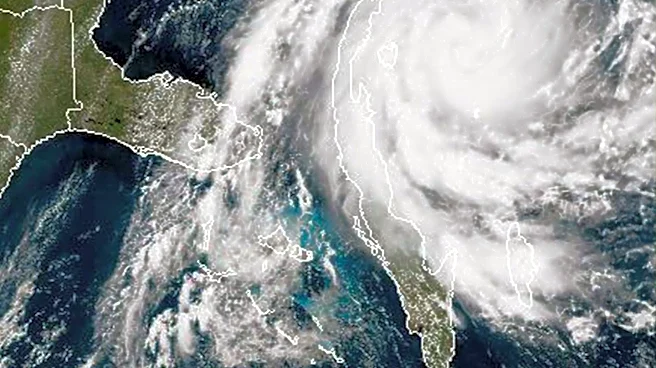
locations, moves beyond simply predicting water height to understand the full evolution of storm surge events. The research highlights variations in surge characteristics, such as rapid rises followed by gradual retreats or prolonged elevated water levels, and notes that patterns differ between the Gulf and Atlantic coasts. For instance, rapid-rise patterns are more prevalent in Gulf Coast areas, while patterns reaching a peak are more common along Atlantic coastlines. This deeper understanding aims to improve forecasting and preparedness for coastal communities. Concurrently, the Atlantic hurricane season has been historically quiet, with Stephanie Zick, a tropical meteorology specialist at Virginia Tech, noting it as the least active season since the 1950s by the Accumulated Cyclone Energy (ACE) metric, primarily due to high vertical wind shear caused by a record El Niño.
Why It's Important?
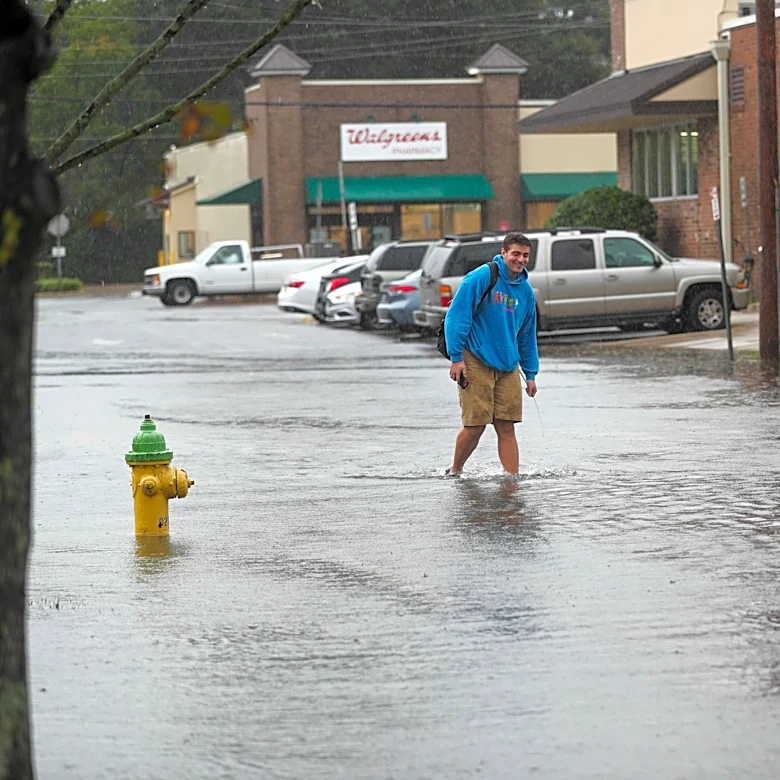
The findings from Virginia Tech's storm surge research are crucial for enhancing the resilience of U.S. coastal communities. Storm surge is identified as the most devastating national hazard along the U.S. coastline, responsible for nearly half of all fatalities from Atlantic tropical cyclones between 1963 and 2012. A more nuanced understanding of storm surge evolution, beyond just peak water levels, can significantly improve early hazard warning systems, evacuation planning, and coastal management strategies. This could lead to more effective protection of lives and infrastructure in vulnerable regions. The historically quiet Atlantic hurricane season, while seemingly beneficial, also carries implications. Tropical cyclones, despite their destructive potential, contribute significantly to annual rainfall in areas like the Southeast U.S., sometimes accounting for 10% of the yearly total. A lack of these storms could exacerbate drought conditions in already dry regions, impacting agriculture, water resources, and increasing wildfire risks. Therefore, while the immediate threat of hurricanes is reduced, the long-term ecological and economic consequences of a quiet season warrant attention.
What's Next?
The Virginia Tech research team plans to further investigate the quantitative factors influencing storm surge evolution, such as bathymetry, coast shape, and historical events, to refine predictive models. This next step aims to identify which factors are most critical in specific regions, leading to more accurate and localized forecasts. The goal is to provide actionable intelligence for coastal communities and decision-makers, enabling them to better prepare for and mitigate the impacts of future storm surge events. For the ongoing Atlantic hurricane season, despite its current quiet state, experts like Stephanie Zick emphasize the continued need for preparedness. While the record El Niño is expected to persist, potentially limiting storm development in common areas, there remains a possibility of tropical storm or hurricane formation in less typical regions, such as the Caribbean or Gulf of Mexico, or through the transition of mid-latitude cyclones over warm Atlantic waters. Coastal residents are urged to maintain preparedness kits and plans, as even a single hurricane can cause significant damage.
Beyond the Headlines
The detailed analysis of storm surge patterns by Virginia Tech researchers represents a significant shift in how the U.S. approaches coastal hazard preparedness. By moving beyond simple peak height predictions to understanding the temporal evolution and regional variations of surges, this research could foster a more sophisticated and adaptive approach to disaster management. This could lead to the development of dynamic evacuation protocols tailored to specific surge characteristics, rather than generic warnings. Furthermore, the interplay between a quiet hurricane season and ongoing drought conditions highlights a complex environmental dilemma. While the absence of destructive storms is a relief, the ecological cost of reduced rainfall could lead to long-term shifts in regional ecosystems, agricultural practices, and water management policies. This situation underscores the interconnectedness of climate phenomena and the need for comprehensive strategies that address both immediate hazards and broader environmental impacts, potentially influencing future infrastructure development and land-use planning in coastal and drought-prone areas.