






What's Happening?
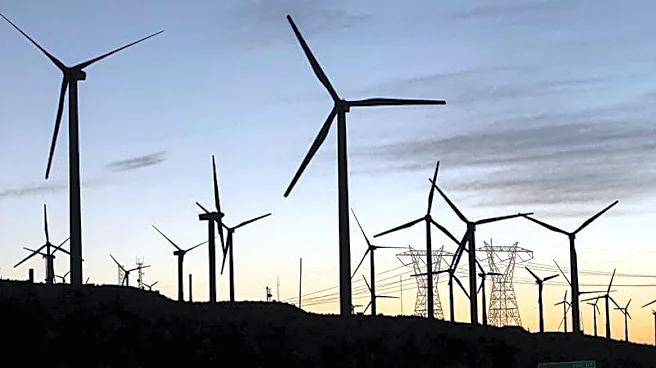
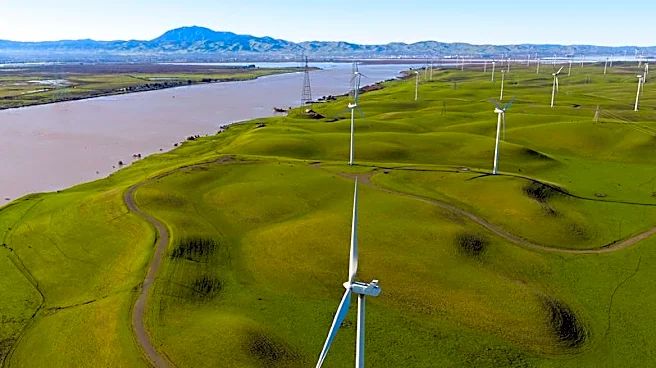
The Trump administration has decided to pay nearly $1 billion to energy companies to abandon plans for two offshore wind farms off the U.S. coast. This decision has sparked bipartisan concern over the administration's spending choices. The payments are
part of a broader pattern of the administration canceling large-scale wind energy projects, citing national security concerns. However, these concerns were previously dismissed by courts. The Interior Secretary, Doug Burgum, stated that these projects were only viable with taxpayer subsidies under the Biden administration. The legality of these payments is under question, with critics arguing that the administration lacks the authority to refund the lease payments to the companies.
Why It's Important?
This development highlights the ongoing debate over the U.S. energy policy and the role of renewable energy projects. The decision to abandon these wind farms could have significant implications for the country's renewable energy goals and climate change commitments. It raises questions about the administration's priorities and the potential impact on the renewable energy sector. The payments also bring up legal and transparency issues, as critics argue that the administration's actions may not be lawful. This situation could lead to increased scrutiny and potential legal challenges from lawmakers and environmental groups.
What's Next?
The legality of the administration's decision is likely to be challenged, potentially leading to legal battles. Lawmakers and environmental advocates may push for more transparency and accountability in the administration's energy policy decisions. The outcome of these challenges could influence future energy projects and the U.S. approach to renewable energy. Additionally, the administration's actions may prompt discussions on the balance between national security concerns and environmental goals, shaping future policy directions.