






What's Happening?
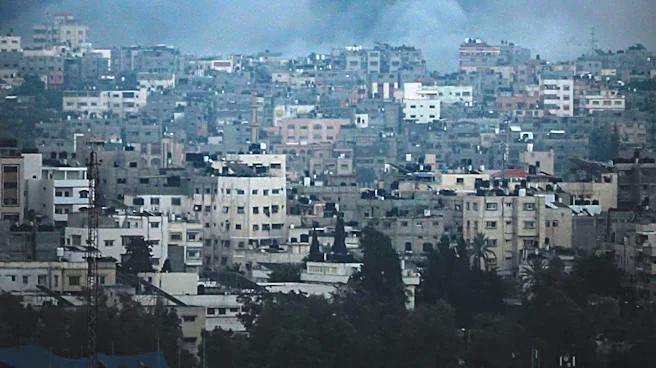
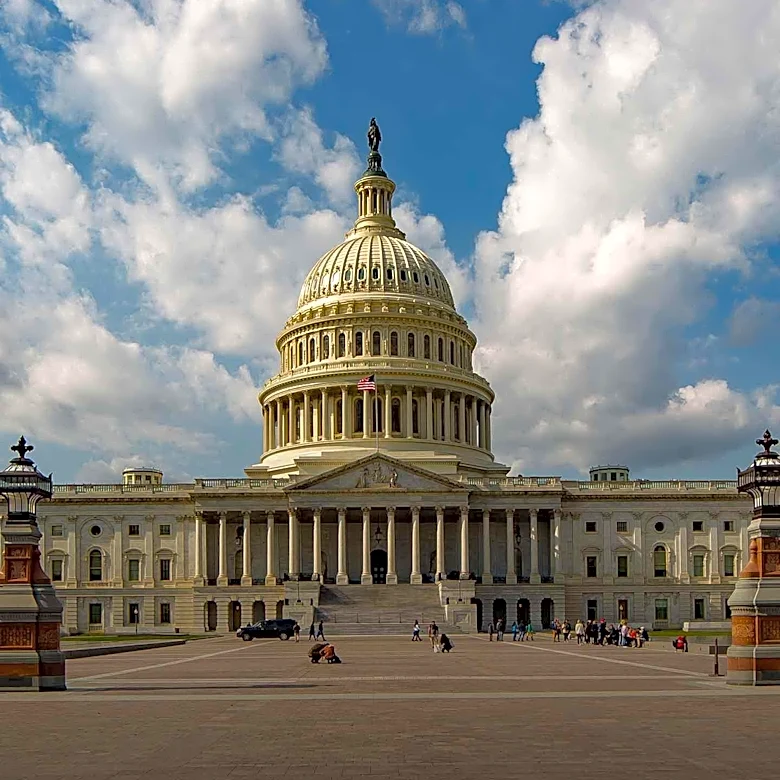
The U.S. administration has shifted its policy regarding the Gaza Strip, moving away from the disarmament of Hamas as a precondition for reconstruction efforts. This change marks a significant departure from President Trump's original 20-point plan, which
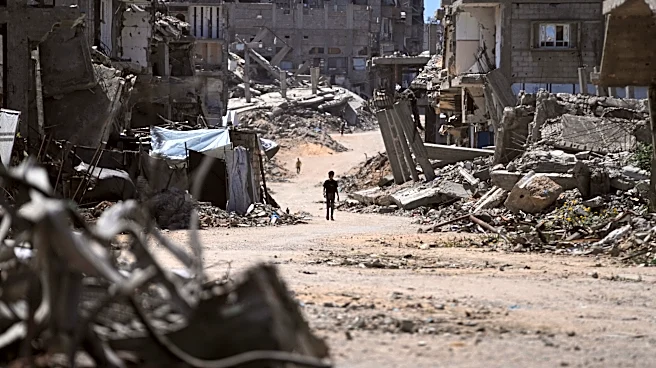
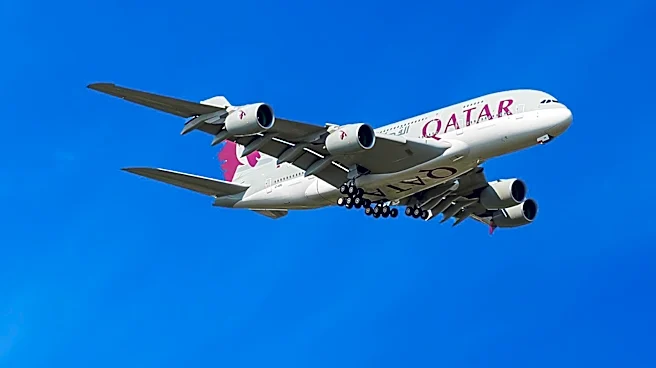
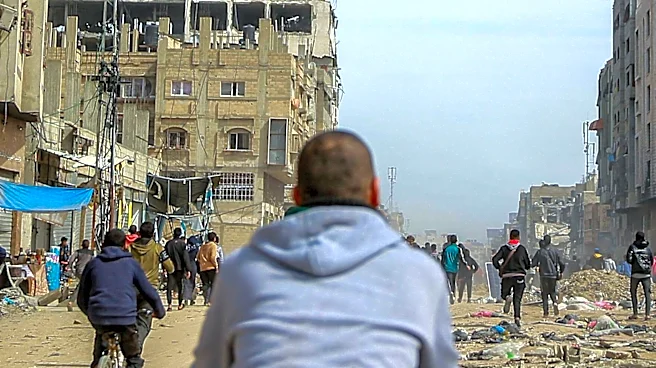
included disarming Hamas as a key component. The U.S. has transitioned from indirect to direct negotiations with Hamas, facilitated by Qatar, with the aim of achieving partial disarmament. However, there is no consensus on what constitutes heavy weaponry, and negotiations have stalled. Despite this, the U.S. is proceeding with plans to rebuild Gaza, which involves Israel withdrawing and an international force taking over. This development has left Israel feeling isolated, as it perceives a lack of U.S. support in its regional conflicts.
Why It's Important?
The U.S. policy shift has significant implications for Middle Eastern geopolitics and U.S.-Israel relations. By moving forward with reconstruction without Hamas disarmament, the U.S. risks emboldening Hamas and altering the balance of power in the region. This could lead to increased tensions between Israel and its neighbors, as well as within Israel's own political landscape. The decision also reflects a broader realignment of U.S. interests in the Middle East, potentially prioritizing economic and diplomatic engagements over traditional alliances. For Israel, this shift could mean a reevaluation of its security strategies and diplomatic relations, as it navigates a landscape where U.S. support is no longer guaranteed.
What's Next?
As the U.S. continues with its reconstruction plans in Gaza, Israel may seek alternative alliances or strategies to ensure its security interests are met. The international community will likely monitor the situation closely, as the success or failure of these efforts could influence future peace negotiations in the region. Additionally, the ongoing negotiations over Hamas's armament could see renewed efforts or alternative approaches, depending on the evolving political dynamics. Israel's response to these developments, both domestically and internationally, will be crucial in shaping the future of the region.