





What's Happening?
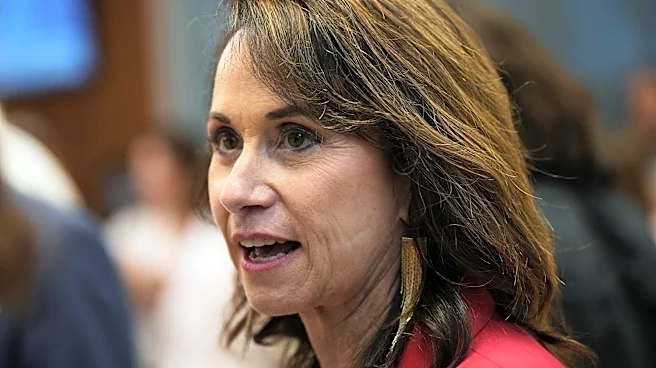
Louisiana's Republican Attorney General, Liz Murrill, has been indicted on criminal charges by a grand jury in New Orleans. The charges stem from allegations that Murrill attempted to intimidate local officials who opposed a GOP-enacted law aimed at overhauling
the local court system. The law, which was passed just before Calvin Duncan, a man wrongfully convicted and later elected as Orleans Parish criminal court clerk, was to take office, eliminated his position. Murrill allegedly warned eight New Orleans officials, including Mayor Helena Moreno and District Attorney Jason Williams, that they could be removed from their positions due to their opposition to the law. The Republican governor, Jeff Landry, who supported the legislation, criticized the New Orleans criminal justice system and promised to pardon Murrill swiftly if necessary.
Why It's Important?
This indictment highlights significant tensions between state and local governance, particularly in areas with differing political and demographic compositions. The law's passage and subsequent indictment of Murrill underscore the ongoing struggle over control of local institutions in Louisiana, a state with a predominantly white conservative legislature and a diverse urban population. The case also raises questions about the balance of power and the potential misuse of legal authority to influence political outcomes. The outcome of this case could set a precedent for how similar disputes are handled in the future, impacting the political landscape and governance in Louisiana and potentially other states with similar dynamics.
What's Next?
As the legal proceedings against Murrill unfold, there will likely be increased scrutiny on the actions of both state and local officials involved in this dispute. Governor Landry's promise to pardon Murrill could lead to further political and legal challenges, especially if the case proceeds to trial. The Republican Attorneys General Association's defense of Murrill suggests that the case may become a rallying point for broader discussions on the role of state attorneys general and their influence over local governance. Observers will be watching closely to see how this case affects future legislative actions and the relationship between state and local governments in Louisiana.