




What's Happening?
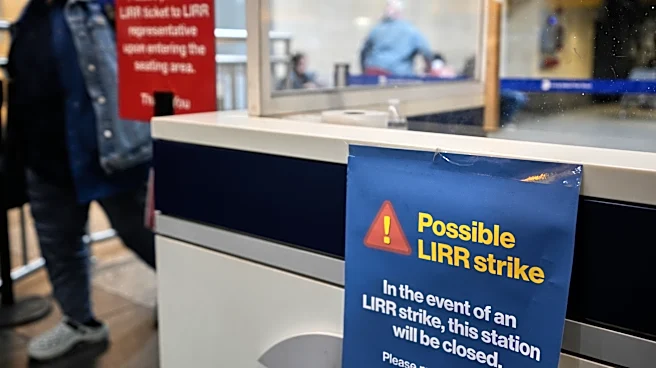
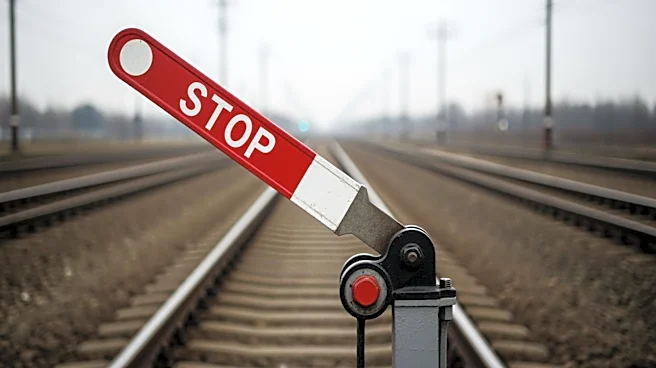
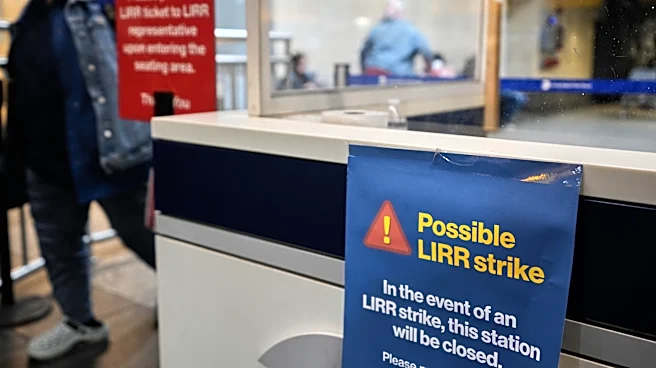
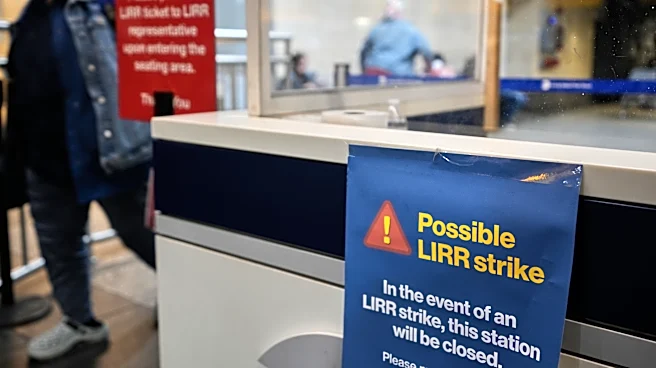
The Long Island Rail Road (LIRR) has suspended train service systemwide as workers initiated a strike early Saturday morning. The strike, involving about 3,500 union workers, has halted operations for the first time since 1994, affecting over 200,000
daily commuters. The dispute centers on wage increases, with unions demanding a 5% raise due to inflation and cost of living, while the Metropolitan Transportation Authority (MTA) offers 3% plus a one-time cash payment. The National Mediation Board has summoned both parties to resume negotiations, but no agreement has been reached yet.
Why It's Important?
The strike significantly disrupts transportation for thousands of commuters, impacting daily routines and economic activities across Long Island. It highlights ongoing labor tensions and the challenges of balancing fair compensation with budget constraints. The situation underscores the critical role of public transportation in regional mobility and the potential economic repercussions of service disruptions. The strike may influence public opinion on labor rights and could affect future negotiations in the transportation sector.
What's Next?
Negotiations between the LIRR unions and the MTA are expected to continue, with the potential for a resolution that could restore service. In the meantime, commuters are advised to seek alternative transportation options, and employers may need to accommodate remote work arrangements. The outcome of the negotiations could set a precedent for future labor disputes in the transportation industry. Public and political pressure may increase on both parties to reach a swift resolution to minimize the impact on commuters.