




What's Happening?
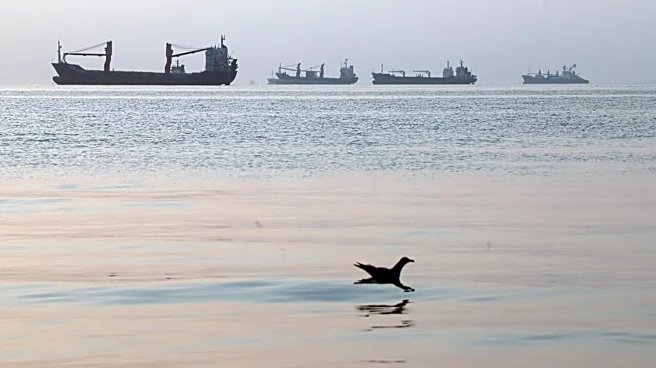
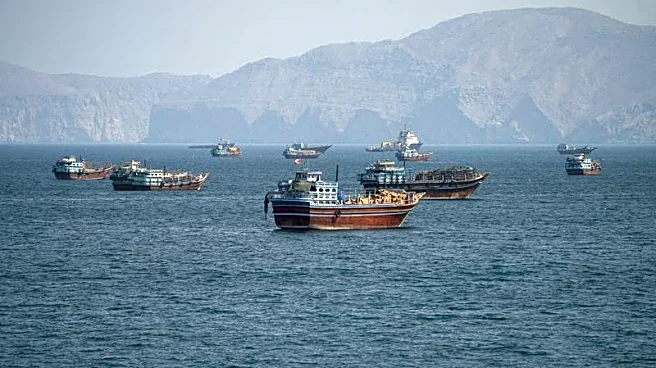
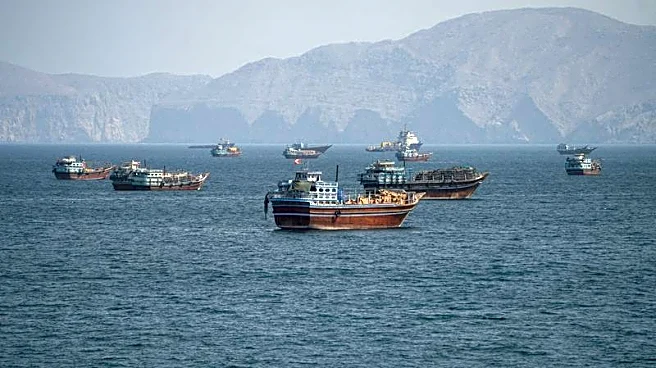
Israel's supply chains are experiencing significant pressure due to ongoing threats in the Red Sea and expanding international port protests. Houthi attacks on shipping routes have severely impacted the Port of Eilat, leading to a near paralysis of its
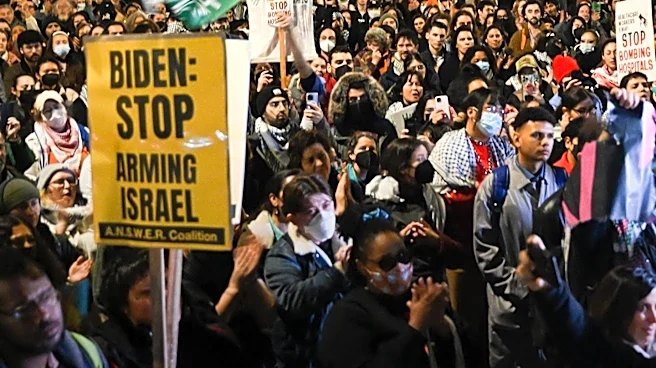
operations for over two years, with vehicle imports from the Far East, a major revenue source, being diverted. Concurrently, a coalition of port workers' unions from 22 countries organized protests at approximately 100 ports, refusing to load or unload military equipment destined for combat zones, particularly Israel. While primarily targeting military cargo, these actions can also disrupt civilian cargo, causing delays, increased storage costs, and higher maritime insurance premiums. Shipping lines like MSC, Maersk, CMA CGM, and Hapag-Lloyd have already imposed fuel surcharges and risk levies on Middle East shipments, and insurance costs have surged by 300%.
Why It's Important?
The mounting pressure on Israel's supply chains has profound economic implications. With approximately 96% of Israel's imports arriving by sea, disruptions translate directly into higher costs for raw materials and imported products, ultimately affecting consumer prices. The paralysis of the Port of Eilat exemplifies how geopolitical conflicts can reshape trade landscapes and severely impact regional economies. The international port protests, while politically motivated, highlight the vulnerability of global supply chains to coordinated labor actions, potentially causing widespread delays and increased operational costs for shipping companies. The surge in insurance premiums and additional surcharges imposed by shipping lines reflect a heightened perception of risk in the region, making trade more expensive and less predictable, which can deter investment and economic stability.
What's Next?
The situation suggests a continued period of elevated costs and potential disruptions for Israeli maritime trade. The expansion of port worker protests indicates a growing, organized effort that could lead to recurring disruptions, further complicating logistics and increasing uncertainty for shipping companies. Israel will likely need to explore alternative shipping routes and strengthen its domestic supply chain resilience to mitigate the impact of these pressures. Shipping companies will continue to assess security risks, adjust routes, and pass on increased operational and insurance costs to customers. The long-term economic stability of Israel will depend on its ability to adapt to these evolving challenges, potentially through diplomatic efforts to de-escalate regional tensions and secure maritime trade routes.
Beyond the Headlines
The challenges faced by Israel's supply chains reveal deeper implications for global trade and geopolitics. The weaponization of maritime routes and the use of labor protests as a form of political action underscore the fragility of the interconnected global economy. This situation highlights the ethical dilemmas faced by port workers regarding their role in international conflicts and the potential for such actions to impact civilian populations. Furthermore, the increased costs and risks associated with shipping to conflict zones could lead to a re-evaluation of global manufacturing and distribution strategies, potentially encouraging regionalization of supply chains to reduce exposure to geopolitical instability. The events also bring into focus the critical role of maritime insurance in facilitating global trade and how rapidly changing risk perceptions can significantly alter its landscape, impacting the viability of certain trade routes and destinations.