

What's Happening?
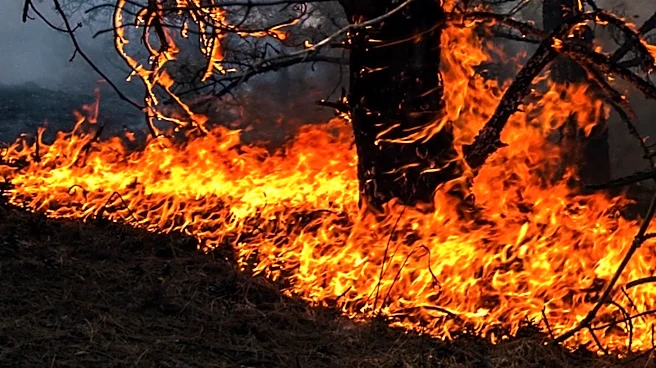
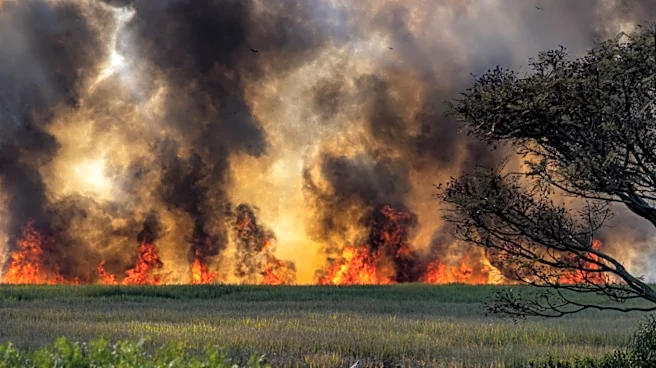
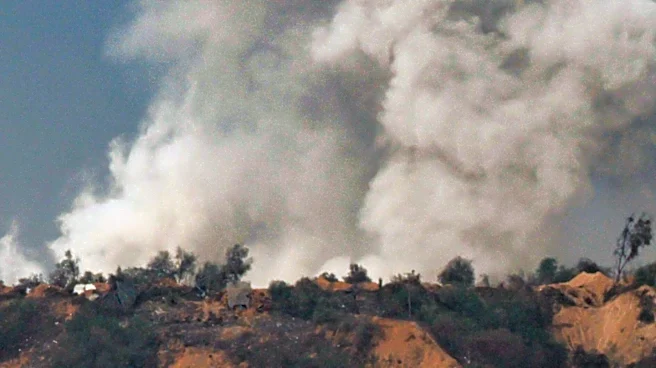
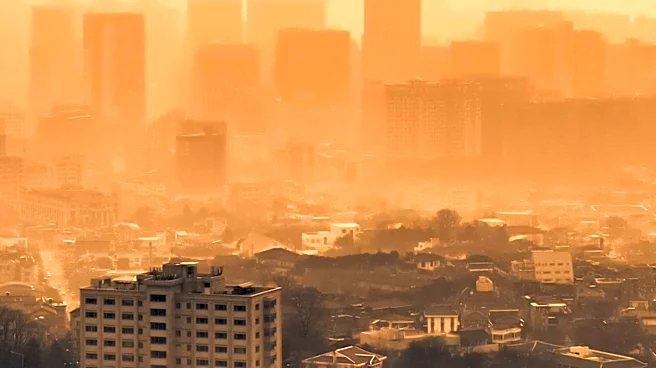
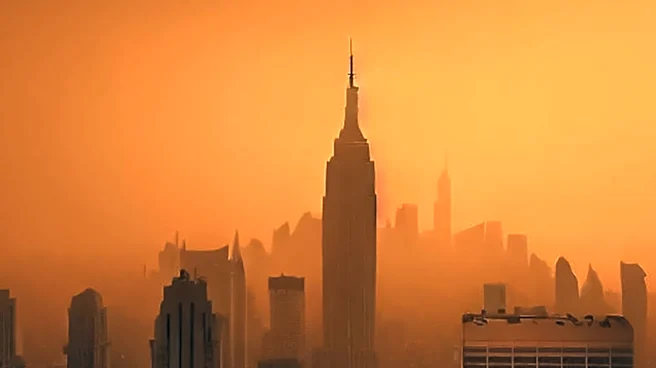
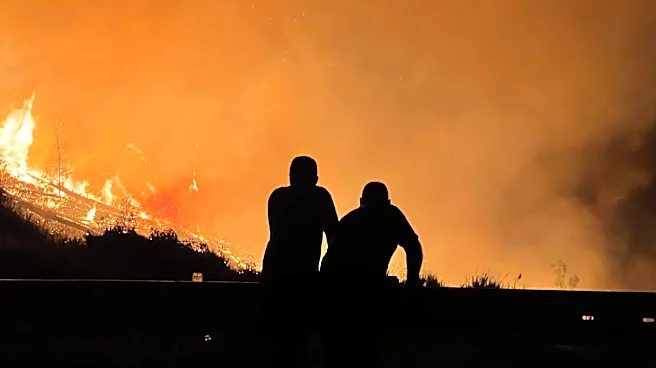
Central Oregon is experiencing poor air quality due to ongoing wildfires and a return to hot, dry weather conditions. Temperatures are expected to rise into the upper 90s and potentially exceed 100 degrees later in the week. The combination of dry air and light
winds creates a conducive environment for rapid fire growth, posing challenges for firefighting efforts. Despite these conditions, progress is being made in managing existing fires, such as the Round Butte Fire west of Madras, which is being contained on its eastern perimeter.
Why It's Important?
The current weather conditions exacerbate the risk of new wildfires and complicate efforts to control existing ones. Poor air quality poses health risks to residents, particularly those with respiratory conditions, and can lead to increased healthcare demands. The heat wave and drought conditions also strain local resources and highlight the broader impacts of climate variability on regional fire management strategies. Effective communication and preparedness are crucial to mitigate these risks and protect public health and safety.
What's Next?
As temperatures continue to rise, fire management teams will remain on high alert for potential new fire starts. Efforts will focus on containing existing fires and minimizing their spread. Public advisories on air quality and heat safety will likely continue, urging residents to limit outdoor activities and take precautions against heat-related illnesses. Long-term, these conditions may prompt discussions on enhancing regional fire preparedness and response strategies to better cope with the increasing frequency and intensity of wildfires.