






What's Happening?
Passaic County Community College (PCCC) has collaborated with City Green, a Clifton-based non-profit farm and garden organization, on an urban gardening project at the college's Main Campus in downtown Paterson. This initiative, funded by City Green's
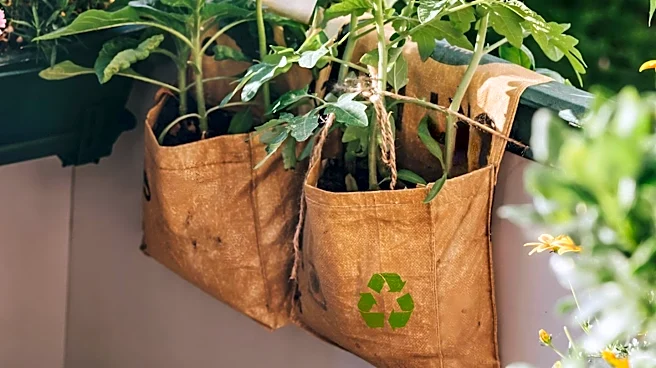
Dig In! grant, involved students planting two cherry trees and three vegetable and herb beds. Professor Cassidy Bell, who teaches Environmental Science, highlighted the strong partnership with City Green and the opportunities it provides for students to engage in urban gardening. The students are actively involved in deciding what to plant, with City Green offering tools and hands-on guidance. Since the initial planting, Professor Bell and student volunteers have maintained the garden, harvesting produce such as tomatoes, chives, and okra, much of which is donated to the College’s food pantry. PCCC has also secured another City Green grant to establish a perennial garden, with planting scheduled for late September. This project is part of PCCC's broader commitment to environmental sustainability, which includes upgrading campus buildings and introducing environmentally focused courses.
Why It's Important?
This urban gardening project at PCCC holds significant importance for both environmental sustainability and community well-being in an urban setting. By transforming a portion of its campus into a productive garden, PCCC is actively contributing to local food security through donations to its food pantry, directly benefiting students and the wider community. The initiative also serves as a practical educational platform, allowing environmental science students to gain hands-on experience in sustainable agriculture and fostering a deeper connection to nature. Professor Bell emphasized that gardening is beneficial not only for the environment but also for the gardener, promoting physical exercise and mental health. In an urban environment where green spaces are often limited, such projects provide valuable opportunities for residents to engage with nature, learn about food production, and contribute to a greener, healthier community. The collaboration between an educational institution and a non-profit organization demonstrates a model for addressing urban environmental challenges and promoting community engagement.
What's Next?
Following the successful establishment of the initial urban garden, Passaic County Community College is set to expand its green initiatives. A new grant from City Green will fund the creation of a perennial garden, with planting anticipated in late September. This expansion suggests a long-term commitment to urban gardening on campus, moving beyond annual crops to more sustainable, long-lasting plant systems. The continued involvement of students and volunteers in maintaining these gardens indicates an ongoing educational and community engagement component. The success of this project may also inspire other urban educational institutions to adopt similar programs, further integrating environmental education and community service. The donation of harvested produce to the college's food pantry is expected to continue, providing a consistent source of fresh food for those in need. The college's broader efforts to upgrade campus buildings and introduce environmental courses will likely continue in parallel, reinforcing its dedication to sustainability.
Beyond the Headlines
The urban gardening project at Passaic County Community College extends beyond simply growing plants; it cultivates a deeper connection between students, their environment, and their community. In an increasingly digital and fast-paced world, the act of gardening offers a tangible, slow, and repetitive activity that can be profoundly beneficial for mental health and well-being, as noted by Professor Bell. This initiative provides a natural counterweight to the demands of modern urban life, offering a space for physical activity and a sense of accomplishment from seeing growth. Furthermore, the project fosters a sense of collective responsibility and community spirit, as students and volunteers work together for a common goal. The donation of produce to the food pantry also highlights the ethical dimension of addressing food insecurity within the local community. This model of urban greening can serve as a powerful example of how educational institutions can integrate environmental stewardship, community service, and holistic well-being into their core mission, creating lasting positive impacts on both individuals and the urban landscape.