
What's Happening?
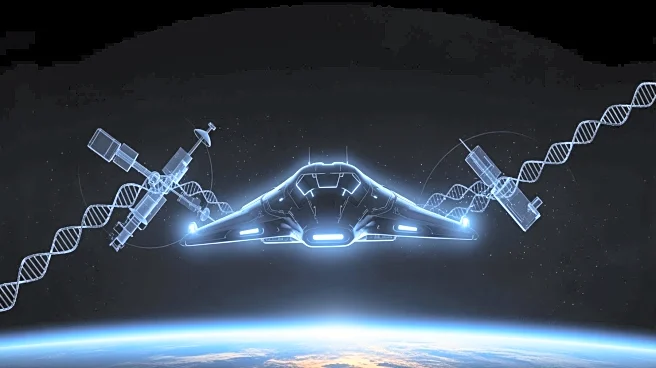
A recent study published in Reproductive BioMedicine Online examines the complexities of human reproduction in space, highlighting significant challenges posed by the space environment. The study notes
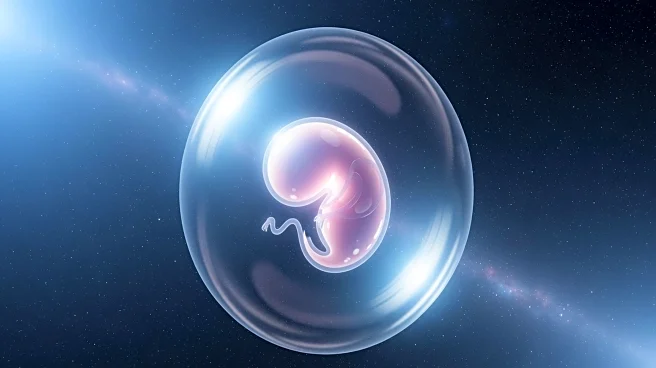
that while short space missions appear relatively safe, longer missions present numerous risks to reproductive health. Factors such as microgravity, radiation, and psychological stress can adversely affect fertility, embryo development, and overall reproductive health. In microgravity, hormonal fluctuations and reduced sperm and egg quality are observed, and embryos may develop differently. Radiation exposure, particularly from cosmic rays, poses a significant threat, potentially increasing cancer risks and damaging developing fetuses. The study emphasizes the need for further research and protective measures, such as radiation shielding, to address these challenges.
Why It's Important?
The findings of this study are crucial as humanity moves towards longer space missions and the potential for sustained off-world habitats. Understanding the impact of space conditions on human reproduction is essential for the safety and health of astronauts on extended missions. The study highlights the need for comprehensive research to develop effective protective measures and ethical guidelines for reproduction in space. As space exploration advances, addressing these reproductive health challenges is vital to ensure the well-being of astronauts and the success of future missions. The study underscores the importance of not allowing reproductive health to remain a policy blind spot as space travel continues to evolve.
What's Next?
Future research is necessary to better understand the effects of space conditions on human reproduction and to develop strategies to mitigate associated risks. Scientists are likely to focus on creating protective measures, such as enhanced radiation shielding, and establishing ethical guidelines for reproduction in space. As space agencies plan for longer missions and potential colonization of other planets, addressing these reproductive health challenges will be a priority. Collaboration between scientists, ethicists, and policymakers will be essential to ensure that human reproduction in space is safe and ethically managed.
Beyond the Headlines
The exploration of human reproduction in space raises broader ethical, social, and practical questions. As humanity considers the possibility of living and reproducing off Earth, it is crucial to address the moral implications and societal impacts of such endeavors. The study highlights the need for a multidisciplinary approach to understand and manage the complexities of human reproduction in space, ensuring that future space missions are conducted responsibly and sustainably.