



What's Happening?
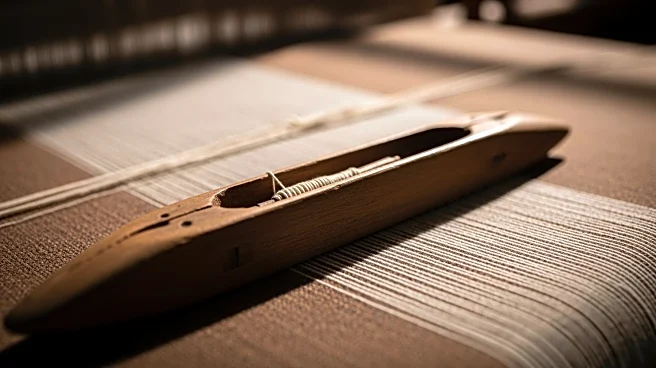
The traditional art of Tangail sari weaving in Bangladesh is facing significant challenges despite its recent recognition by UNESCO as an Intangible Cultural Heritage. The craft, known for its intricate designs and unique motifs, is struggling due to
changing fashion trends and economic pressures. Weavers like Ajit Kumar Roy express concerns about the future of this centuries-old tradition, as the number of looms has decreased and some factories have closed. Political tensions between India and Bangladesh have further complicated matters, making exports difficult. The industry, which once thrived, is now in decline, with many weavers forced to find alternative employment.
Why It's Important?
The decline of Tangail sari weaving highlights broader issues of cultural preservation in the face of globalization and economic shifts. This situation underscores the challenges traditional crafts face in maintaining relevance and economic viability. The loss of such cultural practices can lead to a diminished cultural heritage and identity for communities. Additionally, the economic impact on weavers and their families is significant, as they struggle to sustain livelihoods in a changing market. The situation also reflects the broader economic and political dynamics in the region, affecting trade and cultural exchange.