







What's Happening?
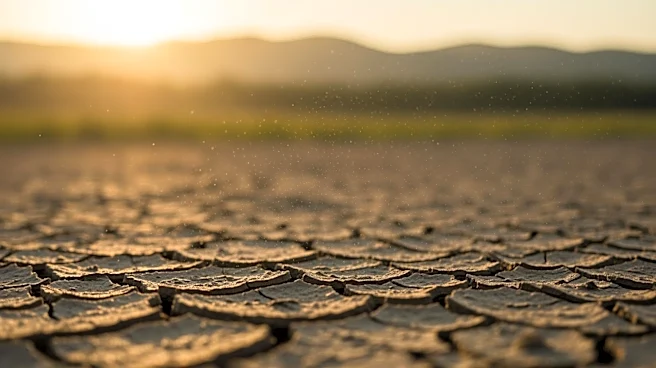
The San Joaquin Valley is experiencing an anticipated increase in Valley Fever cases due to seasonal agricultural activities and the end of the school year. Valley Fever, or coccidioidomycosis, is a fungal disease caused by inhaling spores from the Coccidioides
fungus, which thrives in the soil of the San Joaquin Valley and other parts of the southwestern U.S. The disease can lead to respiratory issues and, in severe cases, can spread to other parts of the body, including the brain. The California Department of Public Health reports that the San Joaquin Valley accounts for over 62% of all Valley Fever cases in California, with Kern County being a significant hotspot. Despite the high number of cases, Valley Fever is often underreported due to misdiagnosis and underdiagnosis, with actual cases potentially being 10 to 18 times higher than reported figures.
Why It's Important?
The potential rise in Valley Fever cases poses significant public health concerns, particularly for those involved in outdoor activities such as agriculture, construction, and landscaping. The disease can lead to severe health complications, especially in individuals with weakened immune systems, the elderly, and those with pre-existing health conditions. The underreporting of cases suggests that many individuals may not receive timely diagnosis and treatment, exacerbating health outcomes. Additionally, the economic impact on the agricultural sector, a major industry in the San Joaquin Valley, could be substantial if workers are affected by the disease, leading to labor shortages and increased healthcare costs.
What's Next?
Public health officials are likely to increase awareness and preventive measures to mitigate the spread of Valley Fever. This may include educational campaigns to inform residents and workers about the risks and symptoms of the disease, as well as guidelines to reduce exposure to dust and soil where the fungus is prevalent. Healthcare providers may also be encouraged to consider Valley Fever in their differential diagnoses for patients presenting with respiratory symptoms, particularly in endemic areas. Continued research and surveillance are essential to better understand the true burden of the disease and to develop effective strategies for prevention and treatment.
Beyond the Headlines
The rise in Valley Fever cases highlights broader issues related to environmental health and occupational safety. The disease's prevalence underscores the need for improved diagnostic tools and reporting systems to capture the true extent of the problem. Additionally, the situation raises questions about the impact of climate change on the spread of fungal diseases, as changing weather patterns may influence the distribution and concentration of Coccidioides spores. Addressing these challenges requires a coordinated effort between public health agencies, researchers, and the community to protect vulnerable populations and ensure a healthy workforce.