






What's Happening?
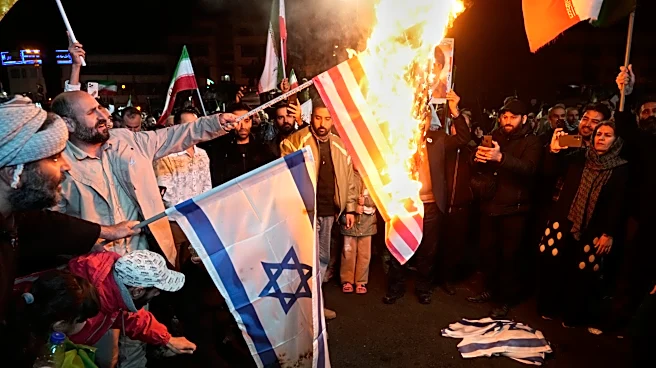
Iran has submitted a 'new' and 'modified' proposal to the United States, which is expected to serve as the foundation for upcoming US-Iran negotiations. This development follows a period of heightened tensions, with Iran reportedly softening some of its
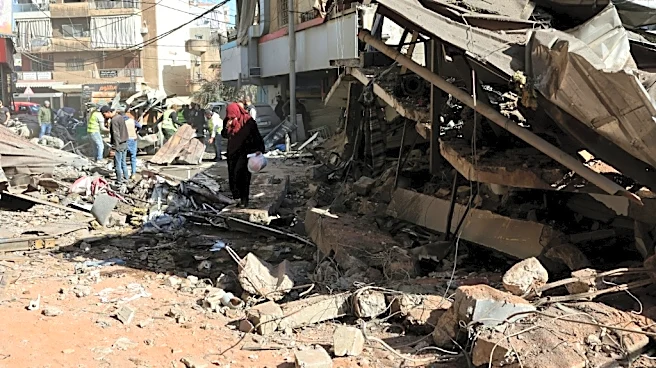
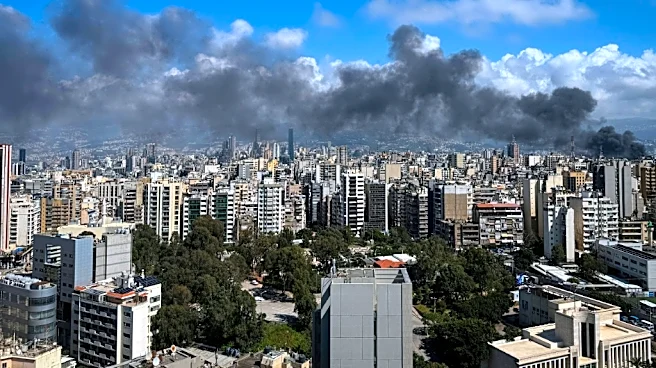
demands, including those related to nuclear enrichment and the withdrawal of US forces from the Middle East. The proposal also addresses issues such as the control of the Strait of Hormuz and the lifting of US sanctions. Meanwhile, Hezbollah has resumed attacks on Israeli targets, and Israeli Prime Minister Benjamin Netanyahu has called for direct negotiations with Lebanon to address Hezbollah's disarmament.
Why It's Important?
The proposal marks a potential turning point in US-Iran relations, offering a chance to de-escalate tensions and address longstanding issues. Successful negotiations could lead to a reduction in regional hostilities and stabilize oil prices, which have been affected by Iran's control over the Strait of Hormuz. However, the ongoing conflict involving Hezbollah and Israel complicates the situation, as it could derail diplomatic efforts. The outcome of these talks could significantly impact US foreign policy in the Middle East and influence global energy markets.
What's Next?
The US and Iran are expected to engage in negotiations based on the new proposal, with the potential for significant diplomatic breakthroughs. However, the situation remains volatile, with ongoing military actions by Hezbollah and Israel posing a risk to the peace process. The international community will be closely monitoring these developments, as any agreement could have far-reaching implications for regional stability and global economic conditions. Additionally, the US may need to navigate complex alliances and address concerns from other regional actors.