









What's Happening?
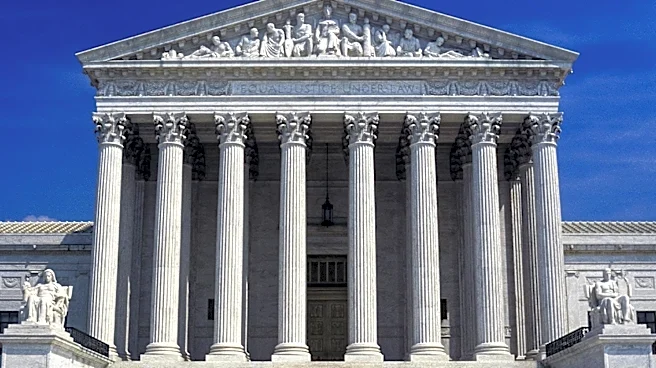
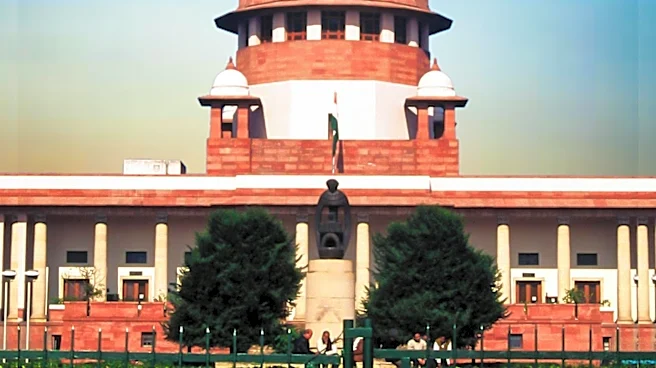
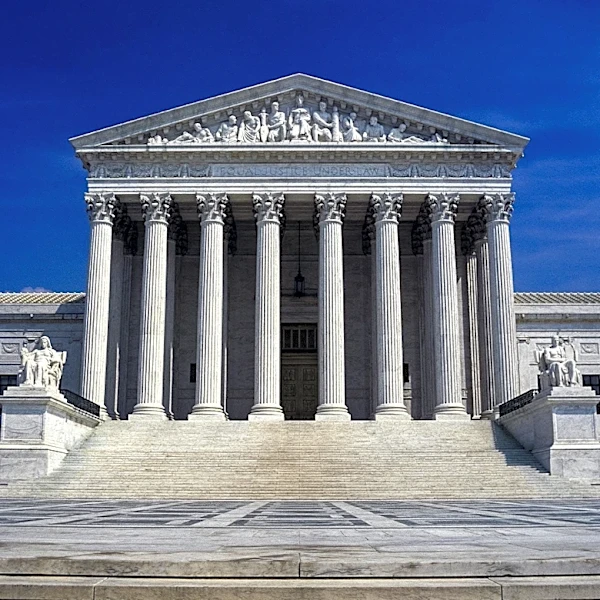
The US Supreme Court has made a significant ruling in the Loper Bright case, which impacts how courts interpret agency authority under the Administrative Procedure Act. The court decided that courts must exercise independent judgment when determining
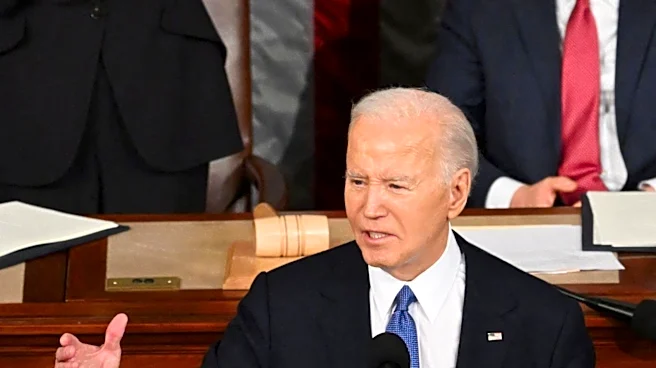
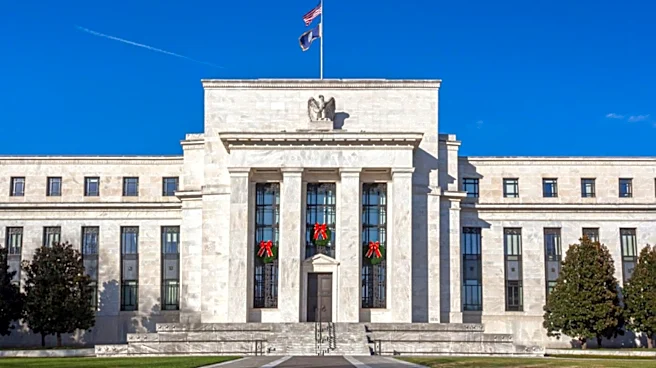
if an agency has acted within its statutory authority, rather than deferring to an agency's interpretation of ambiguous statutes. This decision overturns the precedent set by the Chevron case, which allowed for such deference. Additionally, the Supreme Court ruled that the president has the power to remove independent agency heads at will, with the exception of Federal Reserve Board members due to their critical role in the US economy.
Why It's Important?
This ruling is pivotal as it reshapes the balance of power between the judiciary and federal agencies. By requiring courts to independently assess agency actions, the decision could lead to increased judicial scrutiny of agency regulations and decisions, potentially affecting a wide range of industries and public policies. The ability of the president to remove agency heads at will, except for the Federal Reserve, could lead to more direct executive influence over federal agencies, impacting how policies are implemented and potentially leading to shifts in regulatory approaches depending on the administration in power.
What's Next?
The ruling may prompt federal agencies to reassess their regulatory strategies, knowing that their interpretations of statutes will face more rigorous judicial review. This could lead to more conservative approaches in rule-making to ensure compliance with statutory authority. Additionally, the decision may influence future appointments and removals of agency heads, as presidents may feel empowered to make changes that align with their policy goals. Legal challenges to agency actions may increase as stakeholders test the boundaries of this new judicial standard.