





What's Happening?
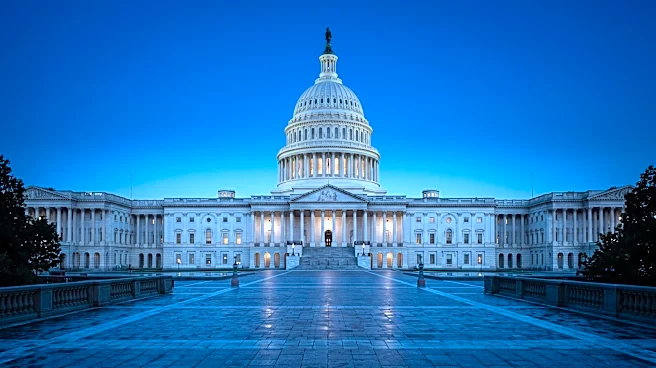
Representatives Jay Obernolte (R-CA) and Lori Trahan (D-MA) have released a 269-page discussion draft of the Great American AI Act on June 4, 2026. This bipartisan bill, which has not yet been formally introduced, is a product of the House AI Task Force,
on which both lawmakers served. The draft is structured into four main titles: frontier AI governance, workforce impact, cybersecurity, and research and international cooperation. Key provisions relevant to lenders include requirements for large developers of frontier AI models to publish frameworks for identifying and mitigating catastrophic risks, along with regular transparency reports. These developers would also need to retain independent verification organizations (IVOs) to audit their models twice a year, with findings reported to a new federal office called the Center for Artificial Intelligence Standards and Innovation. Additionally, the bill proposes to preempt state laws directly regulating AI development for a period of three years. The draft also incorporates the bipartisan AI Fraud Deterrence Act, which aims to combat AI-generated fraud by increasing maximum fines for federal fraud and money laundering statutes from $1 million to $2 million, and imposing higher penalties when AI is utilized in such crimes. The bill also includes whistleblower protections for employees and contractors reporting AI-related violations and measures addressing cybersecurity information sharing and AI workforce data collection.
Why It's Important?
The proposed Great American AI Act signifies a significant federal effort to establish a comprehensive framework for AI governance in the United States. This legislation is particularly important for industries heavily reliant on AI, such as auto finance, which are currently grappling with escalating fraud losses. The bill's provisions for independent audits and transparency reports for AI models could set a precedent for how AI systems are scrutinized across various sectors, potentially increasing accountability and trust in AI-driven decision-making processes. The inclusion of the AI Fraud Deterrence Act directly addresses the growing threat of AI-generated fraud, which has led to substantial financial losses in auto lending and other areas. By increasing penalties for AI-enabled fraud, the bill aims to create a more punitive enforcement framework, signaling to regulators and the public that AI-enabled fraud is a critical issue requiring immediate attention. While the bill includes a three-year preemption of state laws on AI development, it clarifies that state rules of general applicability and laws regulating AI use or deployment would remain intact, indicating that a complex regulatory landscape involving both federal and state authorities will likely persist. This dual regulatory environment means that businesses, especially those in auto finance, cannot assume a federal framework will entirely replace existing state requirements, necessitating continued vigilance and adaptation to evolving regulations.
What's Next?
As a discussion draft, the Great American AI Act is currently in its preliminary stages and has not yet been formally introduced. The legislative process for such complex and comprehensive bills typically spans several years, involving committee reviews, floor votes, and reconciliation between chambers. While the draft has garnered bipartisan support from some members, it has also faced opposition from groups like the House Democratic Commission on AI. This indicates that the bill's journey through Congress will likely involve significant debate and potential amendments. For industries like auto finance, the current moment serves as a critical opportunity to prepare for the direction of federal thinking on AI governance. Lenders and dealers are advised to begin documenting their AI model validation processes, assess their vendors' capabilities to support independent audits, and develop internal processes that can adapt to a continuously shifting regulatory landscape. The eventual enactment of a federal framework, even if it takes time, will likely shape future laws and regulations, making proactive preparation essential to avoid being caught unprepared by new compliance requirements.
Beyond the Headlines
The Great American AI Act delves into deeper implications beyond immediate regulatory compliance, particularly concerning the ethical and societal dimensions of artificial intelligence. The emphasis on independent verification organizations (IVOs) and transparency reports for frontier AI models highlights a growing recognition of the need for external oversight to ensure AI systems are developed and deployed responsibly. This move reflects a broader societal concern about the potential for AI to cause catastrophic harm or perpetuate biases, underscoring a shift towards greater accountability for AI developers. The bill's focus on workforce impact and cybersecurity also points to long-term shifts in how AI will integrate into the economy and national security. By addressing the potential displacement of workers and the vulnerabilities AI systems can create, the legislation acknowledges the profound societal changes AI is expected to bring. Furthermore, the preemption clause, even if temporary, signals a federal intent to harmonize AI regulations, which could prevent a fragmented regulatory environment across states. However, the continued relevance of state-level regulations on AI use means that businesses will need to navigate a nuanced legal landscape, balancing federal guidelines with diverse state-specific requirements, potentially leading to ongoing legal and operational complexities.