






What's Happening?
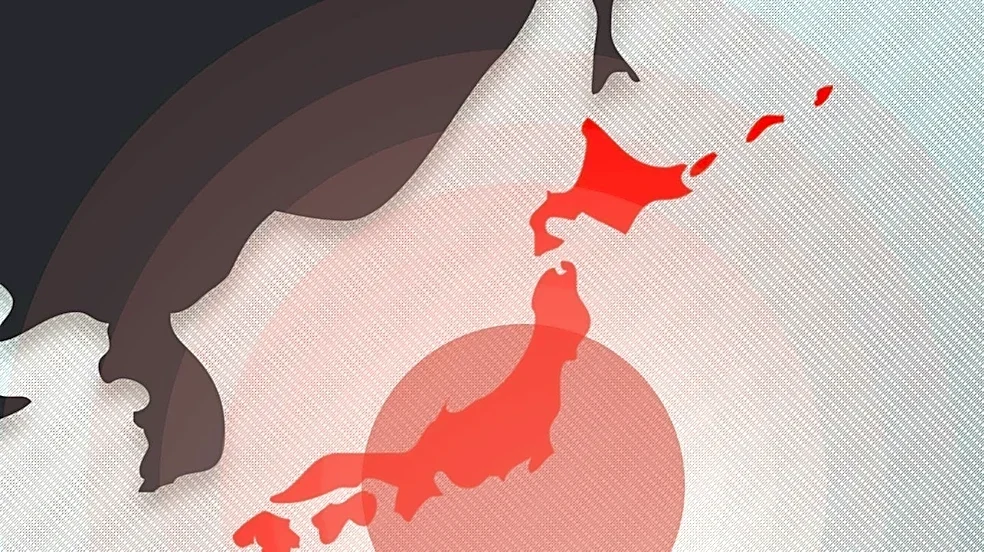
Japan’s Meteorological Agency (JMA) mistakenly issued an early warning for a magnitude 9.9 earthquake, forecasting significant shaking across large parts of Japan, including the Tokyo region. The alert, issued at approximately 12:36 p.m. Friday in Japan (late
Thursday in the United States), was canceled at 12:48 p.m. The actual earthquake, as measured by the U.S. Geological Survey (USGS), was a magnitude 6.9 event with its epicenter located approximately 76 kilometers (47 miles) northeast of Ozernovskiy, Russia, near the Kamchatka Peninsula. The initial erroneous warning identified the location as the Kuril Islands region and estimated a depth of 140 kilometers (87 miles). The USGS estimated the actual depth at 143.2 kilometers (89 miles). According to NHK, the earthquake did not cause shaking in Japan, and no tsunami warnings were issued. The JMA has stated it will investigate the cause of this error.
Why It's Important?
The mistaken issuance of a magnitude 9.9 earthquake warning by a prominent meteorological agency like Japan's highlights critical vulnerabilities in early warning systems, even for technologically advanced nations. A magnitude 9.9 earthquake would be the largest ever recorded, releasing approximately 32,000 times more energy than the actual magnitude 6.9 event. Such an error can lead to widespread panic, unnecessary evacuations, and significant economic disruption as businesses and transportation systems react to perceived threats. While no direct impact was felt in the U.S., the incident underscores the global interconnectedness of disaster preparedness and the potential for miscommunication to have far-reaching consequences. It also emphasizes the importance of accurate and timely information dissemination in crisis situations, as false alarms can erode public trust in official warnings, potentially leading to complacency during genuine emergencies. For U.S. agencies involved in disaster monitoring and international cooperation, this event serves as a case study in the challenges of real-time data processing and cross-border communication.
What's Next?
The Japan Meteorological Agency (JMA) has announced it will investigate the error that led to the mistaken magnitude 9.9 earthquake warning. This investigation will likely focus on identifying the technical or procedural breakdown that caused the significant discrepancy between the initial alert and the actual seismic event. The findings of this investigation could lead to revisions in JMA's protocols for earthquake detection, data processing, and alert issuance. Other international meteorological and seismological agencies, including those in the U.S., may review their own systems and procedures in light of this incident to prevent similar occurrences. There could also be discussions within international scientific communities about enhancing data sharing and verification mechanisms to improve the accuracy of global earthquake early warning systems. Public confidence in earthquake alerts, both domestically in Japan and potentially internationally, will depend on the transparency and effectiveness of the JMA's response and any subsequent improvements made to their system.
Beyond the Headlines
This incident delves into the complex interplay between advanced technology, human interpretation, and public psychology in disaster management. The rapid dissemination of information, while crucial for early warnings, also carries the risk of amplifying errors. The concept of a 'false positive' in such a high-stakes scenario can have profound psychological impacts, potentially leading to 'alert fatigue' where the public becomes desensitized to warnings, or, conversely, heightened anxiety and distrust in official communications. Ethically, the responsibility of agencies to balance speed with accuracy in life-saving alerts is paramount. This event could also spur further research into artificial intelligence and machine learning applications for seismic data analysis, aiming to reduce human error and improve the precision of magnitude estimations and location predictions. The long-term cultural implications might include a re-evaluation of how societies perceive and react to technological warnings, fostering a more nuanced understanding of their capabilities and limitations.