




What's Happening?
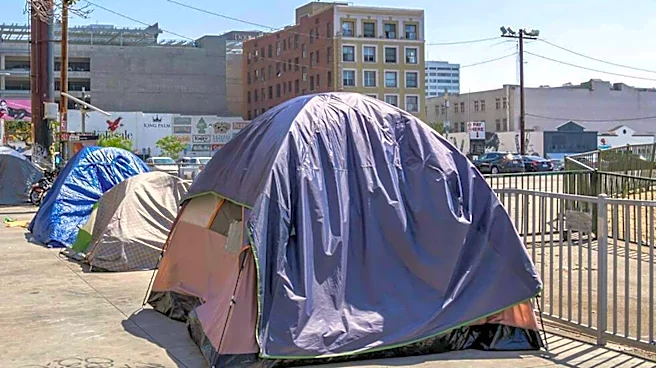
Homeless residents in San Jose are facing a second encampment sweep by Caltrans, with the current location north of I-280 on McLaughlin Avenue, Woodborough Place, and Olinder Park scheduled for clearance from Monday until the end of October. This follows
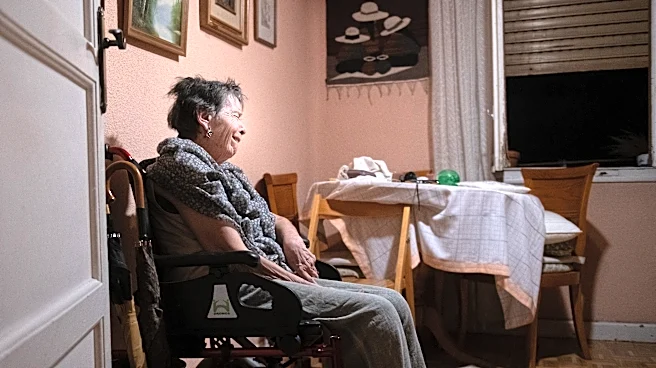
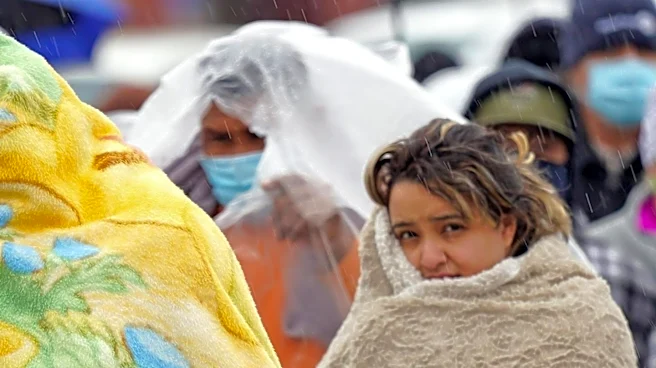
an earlier sweep of a large unsanctioned encampment known as 'the Jungle' in East San Jose, where many residents were reportedly displaced without adequate housing solutions. Advocates estimate that about 40 residents were left without shelter after the Jungle sweep, contrary to city claims of housing everyone. Many of these individuals subsequently moved to the current encampment site. Despite outreach efforts by social service providers and local governments to connect residents with essential services and housing options, shelters are reportedly full, and some residents, like 77-year-old Jobino Medina Sarabia, have found available placements unsuitable due to distance from necessary services. Assemblymember Ash Kalra has criticized the sweeps, stating that residents want to be housed and pushing for delays until housing can be secured.
Why It's Important?
This situation underscores the persistent challenges in addressing homelessness in San Jose, particularly the disconnect between city-led encampment abatements and the availability of suitable housing. The repeated displacement of vulnerable populations without clear housing alternatives exacerbates their instability and can lead to a cycle of sweeps. The differing perspectives between Mayor Matt Mahan, who suggests some individuals refuse shelter, and Assemblymember Ash Kalra, who asserts residents desire housing, highlight a fundamental disagreement on the root causes and solutions to homelessness. The lack of accessible and appropriate housing options, as exemplified by Sarabia's experience, reveals systemic gaps in the support infrastructure. This ongoing issue impacts not only the homeless population but also raises questions about the effectiveness and humanity of current city policies and resource allocation in one of the nation's wealthiest regions.
What's Next?
Advocates are calling for a delay in the upcoming Caltrans sweep until housing can be provided for the affected residents. Assemblymember Ash Kalra's office is actively involved in helping homeless residents obtain identification cards and is pushing for a moratorium on the sweep. The situation will likely continue to draw attention from community organizers and local politicians, potentially leading to further protests or calls for policy changes. The city's housing department and Caltrans will continue their outreach efforts, but the core issue of insufficient shelter capacity and suitable housing options remains. The outcome of this sweep and the subsequent actions of city officials and advocacy groups will be closely watched as San Jose grapples with its ongoing homelessness crisis.
Beyond the Headlines
The recurring sweeps of homeless encampments in San Jose bring to light deeper societal issues beyond immediate housing needs. The experience of individuals like Carlos, who felt 'deceived' and 'forgotten,' points to a breakdown in trust between vulnerable populations and city services. The incident where housing officials reportedly called the police on advocates and homeless residents seeking assistance further illustrates a confrontational rather than collaborative approach. This situation raises ethical concerns about how a prosperous city treats its most vulnerable citizens and the effectiveness of current strategies. It also highlights the broader debate on whether punitive measures or comprehensive housing-first approaches are more effective in addressing homelessness. The long-term implications could include increased social stratification, continued public health challenges, and a deepening divide between different segments of the community if sustainable and humane solutions are not prioritized.