




What's Happening?
Virginia Agriculture in the Classroom has awarded 75 grants totaling $35,886 to schools and educational organizations across 50 Virginia localities for the 2026-27 school year. These grants are designed to provide approximately 26,000 youth, ranging from
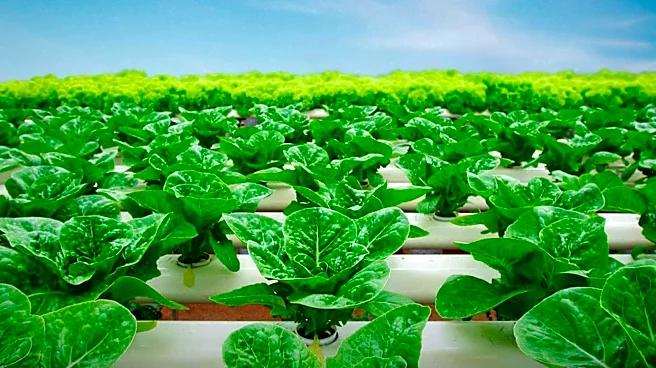
preschool to high school, with unique agricultural experiences. The projects funded cover a diverse range of topics, including gardening, animal agriculture, nutrition, STEM integrations, and leadership development. According to Lynn Black, Virginia AITC director of education, this year saw the most competitive grant application cycle in the program's history. The aim of these hands-on projects is to help students gain a better understanding of food production and career opportunities within the agriculture field. Examples of funded projects include aquaponics, smart greenhouse technology, historical gardens, and learning about popcorn growth from planting to consumption.
Why It's Important?
These grants are vital for bridging the growing gap between youth and agricultural knowledge, especially as generations become further removed from farm life. By integrating agricultural experiences into core curriculum subjects like math, science, social studies, and language arts, the program ensures that students receive a comprehensive education that extends beyond traditional classroom settings. This exposure helps students understand where their food comes from, the importance of sustainable practices, and the diverse career paths available in agriculture, from farming to agricultural technology and research. The hands-on nature of these projects can significantly enhance learning, making abstract concepts more tangible and engaging for students. Ultimately, this initiative cultivates a more informed and agriculturally literate generation, which is crucial for the future of food security and the agricultural industry in Virginia.
What's Next?
The grant funding has already begun to be distributed to the recipient schools and educational organizations. Teachers are expected to implement and complete their agricultural projects throughout the remainder of the current school year. Virginia Agriculture in the Classroom plans to collect reports on students' experiences and accomplishments by the end of May 2027, which will likely be used to assess the program's impact and inform future grant cycles. The Virginia Foundation for Agriculture in the Classroom, a 501(c)(3) nonprofit, will continue its efforts to promote agricultural understanding through education and outreach, relying on donations and grants for its funding. This ongoing support ensures that more students in Virginia will have opportunities to engage with agriculture in meaningful ways in the coming years.
Beyond the Headlines
The increasing competitiveness of these grants underscores a growing recognition among educators of the value of agricultural education. This trend suggests a broader shift towards experiential learning and interdisciplinary approaches in schools, where practical skills and real-world applications are prioritized. Beyond the immediate educational benefits, fostering an understanding of agriculture can also instill a sense of environmental stewardship and promote healthier eating habits among young people. By exposing students to agricultural technology, such as smart greenhouses, the program also prepares them for future careers in STEM fields that intersect with agriculture, contributing to a skilled workforce for emerging industries. This initiative is not just about farming; it's about cultivating critical thinking, problem-solving skills, and an appreciation for the foundational industry that sustains society.