







What's Happening?
John Herb Hayes III, 70, and Geordyn Nichole Hayes, 31, were arrested in Tennessee following the discovery of their 5-year-old autistic daughter, Saylor Hayes, deceased in waters near Pawleys Island, South Carolina. The couple faces charges of putting
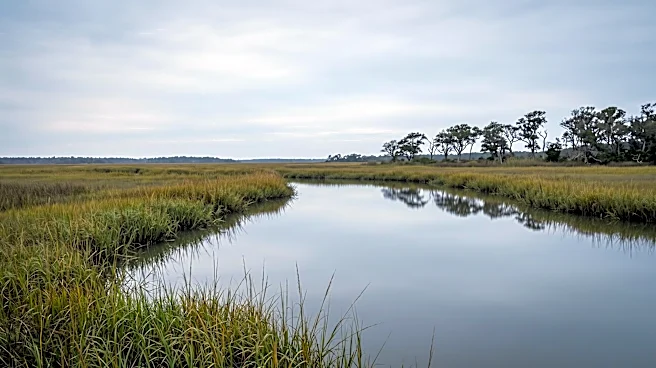
their daughter in danger or abandoning her under South Carolina law. Saylor, who was severely nonverbal and autistic with a strong attraction to water and a history of wandering, was found near Hagley Landing after an extensive search involving numerous agencies and local residents. Arrest warrants allege that Saylor, despite having been equipped with a monitoring device since 2024, had the device removed before the family left Virginia. She was then reportedly left unsupervised within approximately 15 meters (49 feet) of a body of water. The warrants further claim that the Hayeses directed search efforts towards tracking technology they knew she wasn't wearing and away from the nearby body of water. Both parents have prior felony cases involving allegations of child abuse or injury in Virginia, though the outcomes varied, and it's unclear if those cases involved Saylor.
Why It's Important?
This incident highlights critical issues surrounding the care and protection of vulnerable children, particularly those with special needs. The allegations of parental neglect and the removal of a monitoring device from a child with a known history of wandering and attraction to water underscore the severe consequences that can arise from inadequate supervision. The case also brings to light the complexities of child protection laws and the challenges faced by authorities in ensuring the safety of children, especially when families move across state lines. The prior legal issues of the parents, including allegations of child abuse and drug exposure to other children, raise questions about the effectiveness of child welfare systems in preventing repeat offenses and protecting children at risk. The tragedy serves as a stark reminder of the fundamental responsibility of parents and caregivers to safeguard children who cannot protect themselves, and the potential legal repercussions when that duty is not met.
What's Next?
John Herb Hayes III and Geordyn Nichole Hayes will be transported back to South Carolina from Tennessee once extradition proceedings are completed. Upon their return, they will face the charges of putting their daughter in danger or abandoning her in court. As of now, neither parent has been charged with homicide, and the warrants do not specify the cause of Saylor's death. The legal process will involve further investigation into the circumstances surrounding Saylor's death and the parents' actions. The case may also prompt a review of child welfare protocols, particularly concerning children with special needs and families with a history of child abuse allegations. The community and child advocacy groups will likely follow the proceedings closely, advocating for justice for Saylor and potentially pushing for stronger protections for vulnerable children.
Beyond the Headlines
This tragic event extends beyond the immediate legal proceedings, touching upon broader societal and ethical considerations regarding the care of children with disabilities. The alleged removal of a monitoring device from an autistic child with a known propensity for wandering near water raises profound questions about parental responsibility and the ethical obligations of caregivers. It also highlights the potential gaps in support systems for families with special needs children, where the demands of care can be immense. The case may spark discussions about the need for more robust intervention strategies and resources for families struggling to provide adequate care, especially when there's a history of neglect or abuse. Furthermore, the incident could influence public perception and policy debates concerning child protection, the legal definition of neglect, and the balance between parental rights and a child's right to safety and well-being. The long-term implications could include increased scrutiny of child welfare services and calls for enhanced preventative measures to protect vulnerable populations.