




What's Happening?
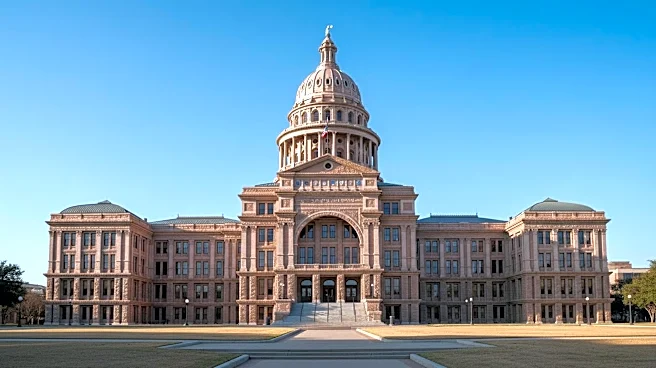
Texas Governor Greg Abbott (R) recently made comments mocking women and trans athletes during a conversation with right-wing commentator Benny Johnson. Abbott joked about the Women's National Basketball Association (WNBA) becoming 'a whole lot more competitive'
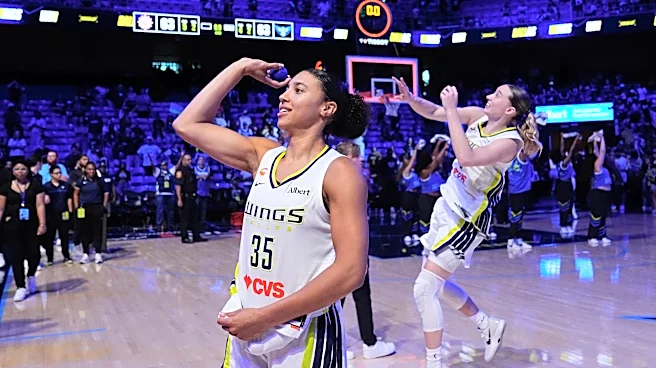
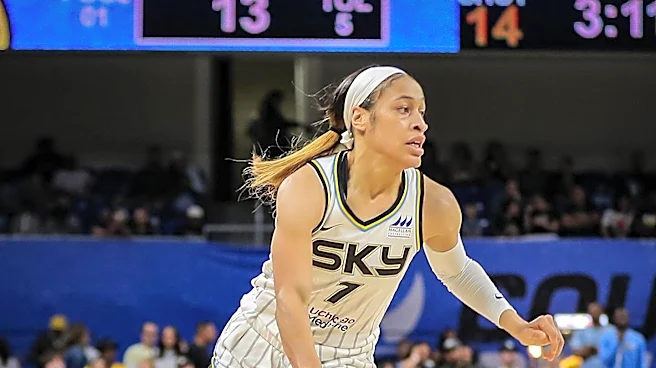
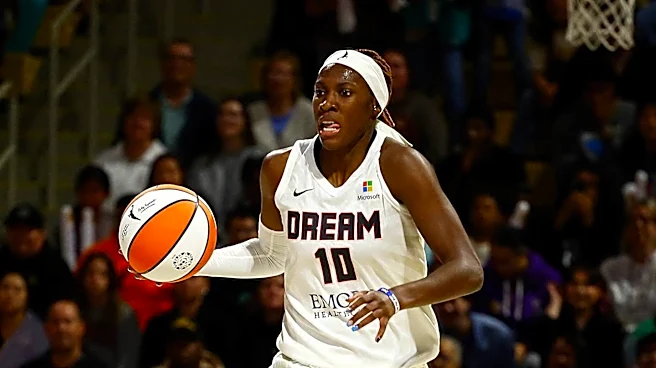
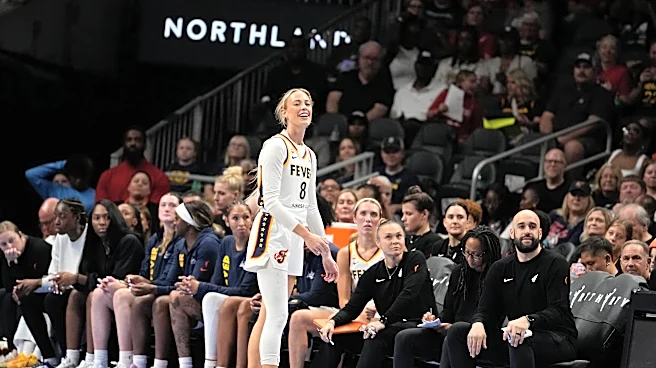
due to former NBA players potentially joining the league. His remarks were in response to a transphobic publicity stunt where two former NBA players declared eligibility for the WNBA's 2027 draft, capitalizing on the league's lack of specific eligibility requirements for trans players. Abbott implied that men could make 'pretty good money' in the WNBA because the state's anti-trans sports ban does not apply to the professional league. He also suggested that male players might be 'embarrassed' competing against WNBA stars like Caitlin Clark or Sophie Cunningham, whom he praised as 'very good women basketball players.' This discussion follows recent controversy sparked by WNBA player Sophie Cunningham's public statements against trans athletes in women's sports.
Why It's Important?
Governor Abbott's comments contribute to a broader national debate surrounding the inclusion of transgender athletes in sports, particularly women's sports. His remarks, framed as humor, can be seen as reinforcing transphobic sentiments and potentially fueling discrimination against transgender individuals. This issue has significant implications for LGBTQ+ rights and gender equality, as it questions the legitimacy and fairness of transgender participation in athletic competitions. For the WNBA, the controversy places pressure on the league to clarify its policies regarding transgender athletes, even though there has not been an openly transgender player in the league to date. The discussion also highlights the political weaponization of sports issues, with figures like Abbott using such topics to appeal to a specific political base and advance anti-trans legislative agendas, as evidenced by his past actions in Texas concerning trans rights.
What's Next?
The WNBA may face increased pressure to formally address and clarify its policies regarding the eligibility of transgender athletes. This could lead to internal discussions within the league, potential policy changes, or public statements to address the ongoing controversy. Activist groups, both pro- and anti-trans, are likely to continue their advocacy efforts, rallying support or protest around the issue. Governor Abbott's comments could also embolden other political figures to engage in similar rhetoric, further polarizing the debate. In Texas, the remarks align with Abbott's established pattern of enacting and supporting anti-trans legislation, suggesting that his administration may continue to pursue policies that restrict the rights of transgender individuals in various sectors, including sports and healthcare. The broader cultural conversation around gender identity and sports is expected to intensify, impacting public discourse and potentially influencing future legislative actions at both state and national levels.
Beyond the Headlines
Governor Abbott's remarks extend beyond a simple joke, touching upon deeper societal anxieties and prejudices surrounding gender, identity, and competition. By implying that male athletes could easily dominate the WNBA, he subtly undermines the achievements and athleticism of women in professional sports, while simultaneously invalidating the identities of transgender individuals. This rhetoric can contribute to a hostile environment for transgender people, particularly in Texas, where Abbott has already signed restrictive anti-trans legislation. The focus on the WNBA, despite the absence of openly trans players, illustrates how hypothetical scenarios are often used to stoke fear and division. This approach diverts attention from other pressing issues and instead centers on cultural wedge issues, reflecting a broader political strategy to mobilize conservative voters. The long-term implications include the potential for increased marginalization of transgender communities and a more entrenched cultural divide on issues of gender and equality.