
What's Happening?
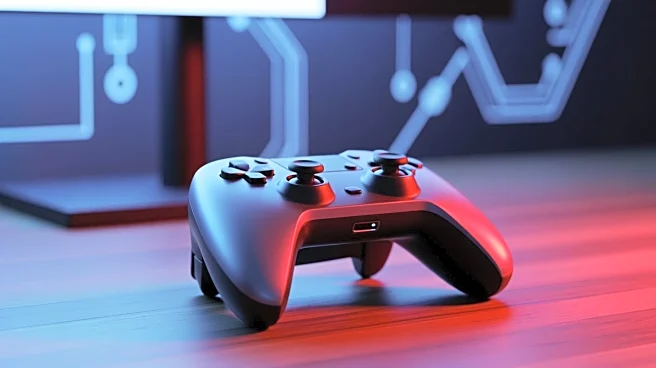
The Russian government is offering significant incentives to developers who can create a homegrown military shooter similar to Call of Duty. This move follows a call from Mikhail Delyagin, deputy head
of the State Duma’s economic policy committee, to ban the Call of Duty series in Russia. Delyagin criticized the games for their portrayal of Russian soldiers, which he described as 'Russophobic propaganda.' In response, the Ministry of Digital Development has confirmed potential support for developers, including reduced corporate tax rates and insurance premiums. This initiative is part of a broader strategy to promote Russian-developed games, especially after the country banned Roblox in December 2025 over extremist content and 'LGBT propaganda.' The development of a Russian equivalent to Call of Duty is estimated to cost around 10 billion rubles, or nearly $130 million, which would require substantial government support.
Why It's Important?
This development highlights Russia's ongoing efforts to assert its cultural and technological independence, particularly in the gaming industry. By promoting a local alternative to Call of Duty, Russia aims to counteract what it perceives as negative portrayals of its military in Western media. This move could have significant implications for the gaming industry, potentially leading to a more fragmented market with region-specific content. It also reflects broader geopolitical tensions, as Russia seeks to reduce its reliance on Western technology and media. The success of this initiative could encourage other countries to pursue similar strategies, potentially reshaping the global gaming landscape.
What's Next?
If a Russian developer steps forward to create this alternative, they will benefit from government incentives similar to those offered in Western countries. However, the high cost of development poses a significant challenge. The Russian government may need to provide additional support to ensure the project's viability. Meanwhile, the international gaming community will likely watch closely to see how this initiative unfolds and whether it leads to a successful competitor to Call of Duty. The outcome could influence future government policies on media and technology in Russia and beyond.