




What's Happening?
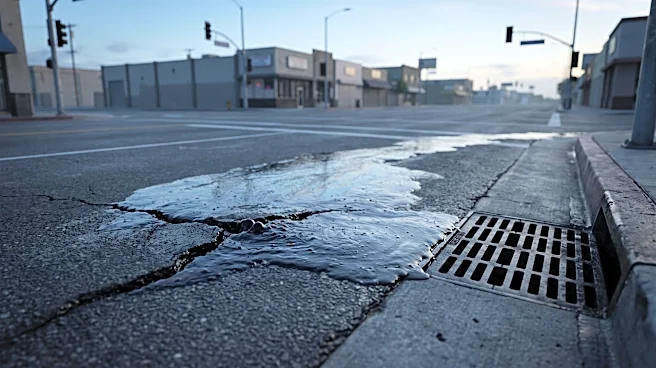
A fiber optic boring crew conducting directional drilling in East Los Angeles struck a 16-inch crude oil pipeline, leading to a spill of approximately 2,400 gallons of oil. The incident occurred around 3 a.m. on a Friday in late May at the intersection
of Eastern Avenue and East Cesar Chavez Avenue. Crude oil began bubbling through the asphalt and quickly spread across the intersection. It took approximately 30 minutes to locate and close a valve near Dodger Stadium, a significant distance from the rupture point. During this time, the oil entered storm drains and subsequently reached the Los Angeles River, moving downstream towards Long Beach and the ocean. Hazardous materials crews attempted to block the storm drains, but the oil flow was too strong. The pipeline was ruptured in two places, and the internal pressure caused oil to spill at an estimated rate of five gallons per second. The pipeline operator, a major California crude oil transmission company, stated the incident was caused by an 'unaffiliated telecommunications contractor,' while spill reports from the California Office of Emergency Services attributed it to 'human error.'
Why It's Important?
This incident highlights critical infrastructure vulnerabilities and the growing challenges of co-locating diverse underground utilities in urban environments. The rapid spread of 2,400 gallons of crude oil into the Los Angeles River and towards the ocean poses significant environmental risks, threatening aquatic ecosystems and wildlife. The difficulty in quickly shutting off the pipeline and intercepting the oil in storm drains underscores the complexities of emergency response in densely populated areas. Furthermore, the dispute over responsibility between the pipeline operator and the telecommunications contractor, with each blaming the other for inadequate marking or execution, points to systemic issues in utility mapping and coordination. This event could lead to increased scrutiny and potential regulatory changes regarding underground infrastructure projects, particularly those involving directional drilling for broadband expansion, which is a key component of the 'Broadband for All' plan in California.
What's Next?
The pipeline has been shut down, excavated, and repaired, with streets in the affected area reopening after several days of closures. The immediate focus is on the ongoing cleanup efforts, which initially covered 3.4 miles of storm drain and extended to the Los Angeles River. Wildlife officers from the state fish and wildlife agency are monitoring the situation as the oil moves downstream. A soil investigation report is pending, which will provide testing results and recommend further remediation steps, a process that could take months to determine the full extent of subsurface contamination. No charges have been filed yet, as the full investigation is still underway. The incident is likely to prompt discussions and potential policy changes regarding the verification of boring plans and the accuracy of utility location data to prevent similar occurrences in the future, especially given the extensive fiber optic cable installation planned across California.
Beyond the Headlines
The East Los Angeles oil spill exposes a deeper, systemic issue concerning the coexistence of aging urban crude oil pipelines and rapidly expanding modern broadband infrastructure. The reliance on accurate utility location data for directional drilling, a method chosen to avoid extensive road disruption, is critical. When this data is incomplete or inaccurate, as suggested by the conflicting accounts from the involved parties, the consequences can be severe and far-reaching. This incident underscores the ethical and legal complexities of assigning liability in such multi-party infrastructure projects, particularly when public safety and environmental protection are at stake. It also highlights the long-term environmental impact of such spills, as subsurface contamination can persist for extended periods, affecting local communities and ecosystems. The event serves as a stark reminder of the hidden risks beneath urban landscapes and the need for robust regulatory frameworks and inter-agency coordination to manage these challenges effectively.