




What's Happening?
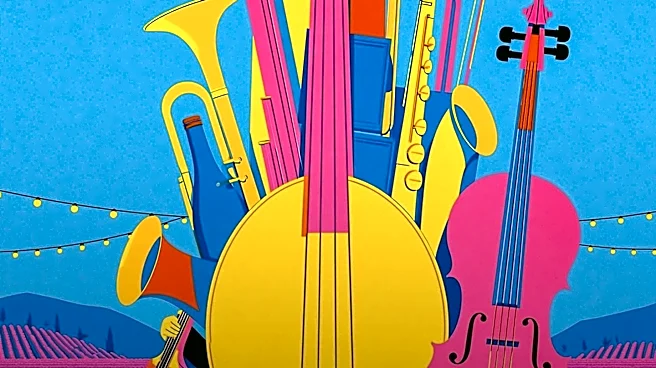
Festivals Acadiens et Créoles in Lafayette, Louisiana, is collaborating with the Smithsonian Institution for its annual event. This partnership is part of the Smithsonian's 'Festival of Festivals' initiative, which highlights 34 folklife events nationwide
as part of America's 250th-anniversary celebration. A team from the Smithsonian Center for Folklife and Cultural Heritage will attend the festival to document and experience Cajun and Creole culture, including its music, food, art, and language. The festival will also relaunch its original stage, Scène '76, which will feature collaborations between regional musicians and guest performers like Haitian American cellist Leyla McCalla and Indigenous fiddler Nokosee Fields, connecting South Louisiana's musical traditions with other American styles. This collaboration provides financial and technical support, allowing for expanded programming that explores the diverse musical influences on Cajun and Creole music, such as Irish music, Appalachian folk, old-time country, and the blues. The festival's layout will also expand throughout Girard Park, and the Hilliard Art Museum will host a revived folk arts exhibition and a photography gallery showcasing the festival's history and its long-standing relationship with the Smithsonian, which dates back to 1974.
Why It's Important?
This partnership signifies a major national recognition for Festivals Acadiens et Créoles, validating over five decades of efforts to preserve and celebrate Acadiana's Cajun and Creole culture. The Smithsonian's involvement elevates the festival's profile, bringing broader national attention to these unique cultural traditions. For the local community, it reinforces the value of their heritage and provides resources to further enhance and expand cultural activities. The expanded programming, which delves into the historical influences on Cajun and Creole music, offers a richer educational experience for attendees, fostering a deeper understanding of American cultural diversity. The digitization of historical footage of Cajun and Creole musicians recorded by the Smithsonian in 1976 also ensures the preservation of invaluable cultural archives for future generations. This initiative underscores the importance of cultural exchange and civic engagement, aligning with the broader goals of America's 250th-anniversary celebration by showcasing the rich tapestry of American folklife.
What's Next?
The expanded programming and partnership with the Smithsonian are primarily a one-time initiative for America's 250th anniversary. However, the long-standing relationship between Festivals Acadiens et Créoles and the Smithsonian, which began in 1974, is expected to continue. The festival will proceed with its enhanced offerings, including the revived Scène '76 stage and the folk arts exhibition at the Hilliard Art Museum. Organizers will continue to tell the story of Cajun and Creole culture, emphasizing its historical complexities and diverse influences. The ongoing efforts to digitize historical footage will ensure that the cultural legacy of Cajun and Creole musicians is preserved and made accessible. While the current expansion is temporary, the increased national visibility and the strengthened ties with the Smithsonian could lead to future collaborations or sustained support for the festival's mission of cultural preservation and celebration.
Beyond the Headlines
The collaboration between Festivals Acadiens et Créoles and the Smithsonian highlights a deeper cultural imperative: the recognition and preservation of regional American identities within the national narrative. By showcasing Cajun and Creole culture, the initiative challenges a monolithic view of American heritage, emphasizing the rich mosaic of traditions that contribute to the country's identity. The focus on musical influences, such as Irish, Appalachian, and blues, illustrates the interconnectedness of various American cultural forms, demonstrating how diverse streams converge to create unique regional expressions. This partnership also underscores the role of cultural institutions like the Smithsonian in validating and amplifying local efforts, providing a platform for communities to share their stories on a national scale. The preservation of historical footage and the emphasis on cultural exchange contribute to a broader understanding of American folklife, fostering a sense of shared heritage and promoting dialogue across different cultural groups.