




What's Happening?
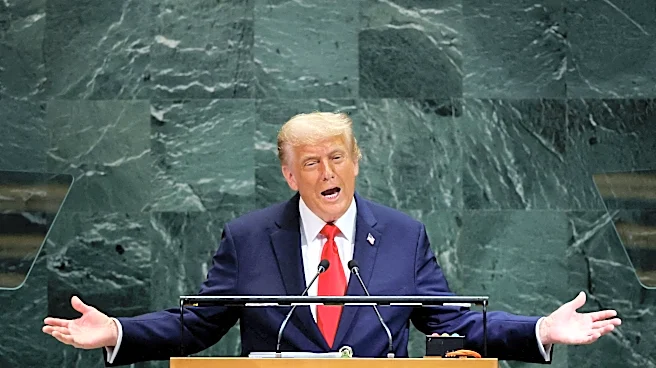
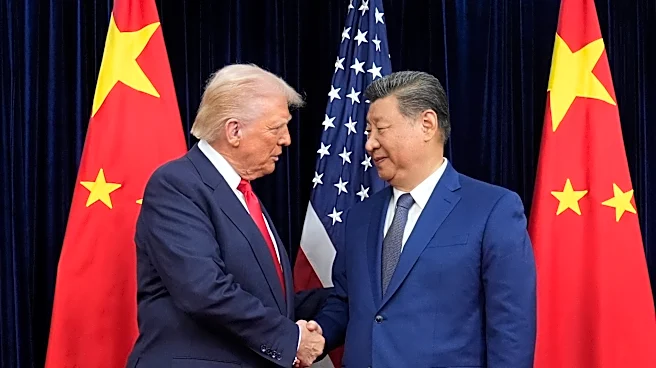
President Trump recently suggested that widespread opposition to data center construction in the U.S. is a "China PR thing," implying foreign influence is behind the backlash. This statement was made during an interview with Fox News host Laura Ingraham
on September 10. Other political figures, including Interior Secretary Doug Burgum and Republican lawmakers, have also attributed the opposition to "foreign source dark money," "foreign psy-ops campaigns," and "foreign-directed propaganda." These claims are based on reports from groups like Power the Future and the Bitcoin Policy Institute, which allege Chinese influence in shaping U.S. discourse on data centers. However, experts and tech companies, including OpenAI and X, have found that while Chinese influence campaigns exist, their reach and impact on the organic, grassroots opposition to data centers are minimal. Darren Linvill, a professor at Clemson University, noted that Chinese state media primarily focuses on promoting its own AI technology, not on fueling U.S. data center opposition. Jessica Brandt of the Council on Foreign Relations stated that foreign actors exploit existing societal divisions rather than creating them.
Why It's Important?
President Trump's assertion, and similar claims from other political figures, risk mischaracterizing a legitimate grassroots movement as foreign manipulation. This narrative can undermine public trust in local activism and divert attention from genuine community concerns regarding data center development, such as increased electricity rates, water consumption, and environmental impact. By attributing domestic opposition to foreign adversaries, political leaders may avoid addressing the substantive issues raised by affected communities. This approach can also exacerbate geopolitical tensions, particularly with China, by framing domestic policy debates as proxy battles. The exaggeration of foreign influence, despite evidence from tech companies and academic experts indicating limited reach, can create a climate of suspicion and distrust, making it harder to have open and honest discussions about critical infrastructure projects and their local consequences. This dynamic affects public policy by potentially sidelining valid local concerns in favor of a national security narrative.
What's Next?
The debate surrounding the influence of foreign actors on U.S. data center opposition is likely to continue, especially as the 2026 midterm elections approach. Political figures may persist in using the narrative of foreign interference to frame discussions on AI and infrastructure. Conversely, advocacy groups and experts will likely continue to push back against these claims, emphasizing the organic nature of local opposition. Tech companies like OpenAI and X will likely remain vigilant in identifying and reporting foreign influence operations on their platforms, providing data that could either support or refute political claims. The ongoing public discourse will necessitate a careful examination of evidence to distinguish between genuine foreign influence and legitimate domestic concerns. This situation could also lead to increased scrutiny of funding sources for advocacy groups and potentially new regulations aimed at transparency in political activism.
Beyond the Headlines
The controversy over foreign influence in data center opposition touches upon deeper issues concerning information integrity and the manipulation of public opinion in the digital age. It highlights the challenge of discerning authentic grassroots movements from state-sponsored propaganda, especially when political narratives are amplified through social media. The tendency to attribute domestic dissent to external forces can be a tactic to delegitimize opposition and consolidate power, rather than engaging with the underlying issues. This situation also underscores the vulnerability of democratic processes to information warfare, where foreign actors seek to exploit existing societal divisions. The debate calls for a more nuanced understanding of how information spreads and influences public perception, urging both policymakers and the public to critically evaluate claims of foreign interference. Ultimately, maintaining a healthy democracy requires robust media literacy and a commitment to addressing domestic concerns on their own merits, rather than dismissing them as externally manufactured.