




What's Happening?
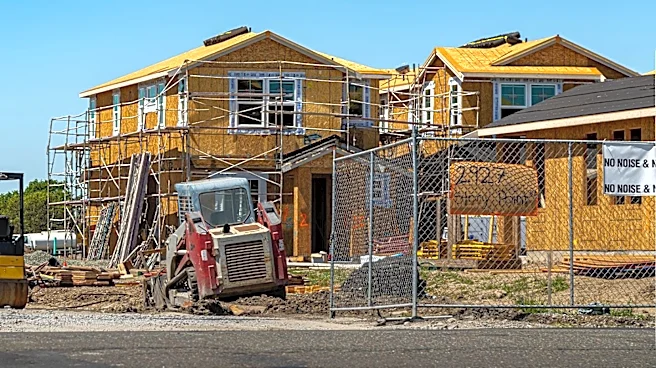
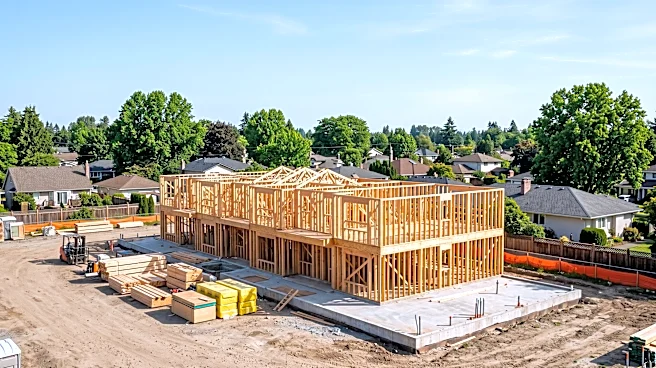
Utah Gov. Spencer Cox has announced an ambitious goal to construct 35,000 new starter homes by the end of 2028. This initiative is part of a broader strategy to address the state's housing affordability crisis. The plan aims to increase the supply of entry-level
homes, making homeownership more accessible for working Utahns. The state's Division of Housing and Community Development, led by Steve Waldrip, is advising the governor on this strategy. The challenge involves overcoming obstacles such as the need for increased density, which often faces community resistance, and the rising costs of land and construction. Developers are being encouraged to build smaller homes on smaller lots to achieve affordability.
Why It's Important?
This initiative is crucial for Utah, which faces some of the highest housing prices in the nation, making homeownership increasingly difficult for many residents. By targeting starter homes, the state aims to support young families and individuals looking to enter the housing market, fostering economic stability and wealth building. The success of this goal could significantly alleviate housing pressures, retain Utah's workforce, and prevent out-migration due to unaffordable living costs. It also signals a proactive governmental approach to a critical economic and social issue, potentially inspiring similar strategies in other high-cost housing markets across the U.S. The focus on density and smaller footprints could also influence future urban planning and development trends.
What's Next?
To achieve the goal of 35,000 starter homes, Utah will likely implement a multi-faceted approach. This could include offering incentives to developers for building affordable, higher-density housing, streamlining permitting processes, and potentially utilizing state lands for development. Collaboration between state and local governments will be essential to overcome zoning challenges and community opposition to increased density. The state may also explore innovative financing mechanisms or down-payment assistance programs to further support first-time homebuyers. Regular progress reports and adjustments to the strategy will be necessary to ensure the target is met by the 2028 deadline, with ongoing monitoring of housing market trends and affordability metrics.
Beyond the Headlines
The push for 35,000 starter homes in Utah has deeper implications for the state's socio-economic fabric and urban development philosophy. It challenges traditional notions of suburban sprawl by advocating for increased density and smaller living spaces, potentially leading to more sustainable land use and reduced commuting times. Culturally, it could shift perceptions of what constitutes an ideal home, moving away from large, single-family residences towards more compact, community-oriented living. Ethically, it addresses the growing inequality in housing access, aiming to provide opportunities for a broader segment of the population to build equity. Long-term, this initiative could reshape Utah's urban landscapes, foster more vibrant, walkable communities, and influence demographic trends by making the state more accessible to a diverse workforce.