


What's Happening?
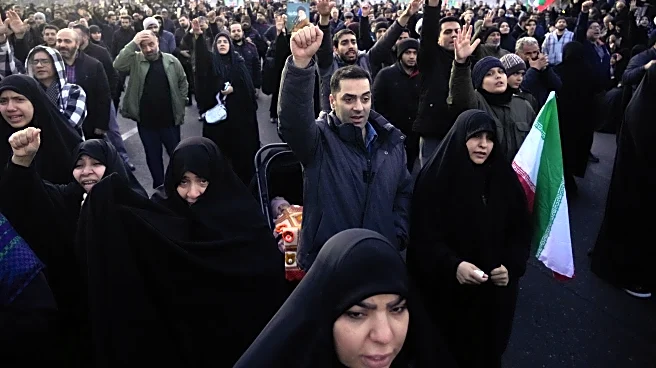
Iran's Ambassador to India, Mohammad Fathali, declared that Iran reserves the right to self-defense and will utilize all available options to protect itself. This statement follows recent attacks by the US and Israel, which Iran claims violated its sovereignty
and territorial integrity. The attacks reportedly targeted several cities, including both defensive infrastructure and civilian areas. In response, Iranian Foreign Minister Seyed Abbas Araghchi has engaged in diplomatic discussions with counterparts from Saudi Arabia, the United Arab Emirates, Qatar, Kuwait, Bahrain, and Iraq, urging them to prevent their territories from being used by the US and Israel against Iran.
Why It's Important?
The assertion of self-defense by Iran highlights escalating tensions in the Middle East, particularly involving the US and Israel. This development could have significant implications for regional stability and international relations. The involvement of multiple Gulf states in diplomatic discussions indicates the potential for broader regional impacts, affecting global oil markets and international diplomatic efforts. The situation underscores the delicate balance of power in the region and the potential for conflict to disrupt global economic and political systems.
What's Next?
The international community will likely monitor the situation closely, with potential diplomatic interventions to de-escalate tensions. The response from Gulf states and their willingness to mediate or align with either side could influence future developments. Additionally, the US and Israel's next moves, whether diplomatic or military, will be critical in shaping the trajectory of this conflict. The potential for increased sanctions or military engagements remains a concern for global stakeholders.
Beyond the Headlines
This situation raises questions about the effectiveness of international diplomatic frameworks in preventing conflicts and the role of regional alliances in global geopolitics. The legal and ethical implications of sovereignty violations and self-defense claims may also prompt discussions within international law circles. Long-term, this could influence how nations approach defense strategies and alliances, potentially reshaping geopolitical landscapes.