


What's Happening?
The United States and Iran are engaged in ongoing discussions regarding the lifting of sanctions in exchange for limitations on Iran's nuclear program. Recent talks in Geneva ended without a definitive resolution, as both nations hold differing views
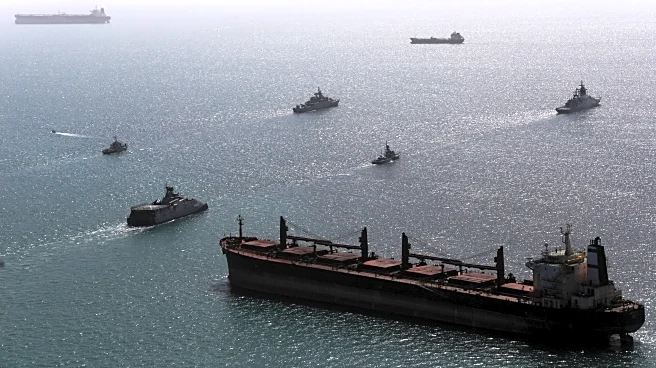
on the scope and mechanism of sanctions relief. Iran has demanded the complete lifting of sanctions and assurances regarding its peaceful nuclear intentions. Despite these demands, the US has maintained a significant military presence in the region, which President Trump believes should pressure Iran into compliance. However, Iran has not capitulated, according to US Special Envoy Steve Witkoff. The situation remains tense, with the US military prepared for potential action, while diplomatic efforts continue.
Why It's Important?
The outcome of these negotiations could significantly impact international relations and regional stability in the Middle East. Successful talks could lead to a reduction in tensions and a potential easing of economic sanctions on Iran, which would have implications for global oil markets and international trade. Conversely, failure to reach an agreement could escalate military tensions, potentially leading to conflict. The US's approach to Iran also affects its relationships with allies and adversaries, influencing global diplomatic dynamics. The situation underscores the delicate balance between diplomatic negotiations and military readiness in addressing nuclear proliferation concerns.
What's Next?
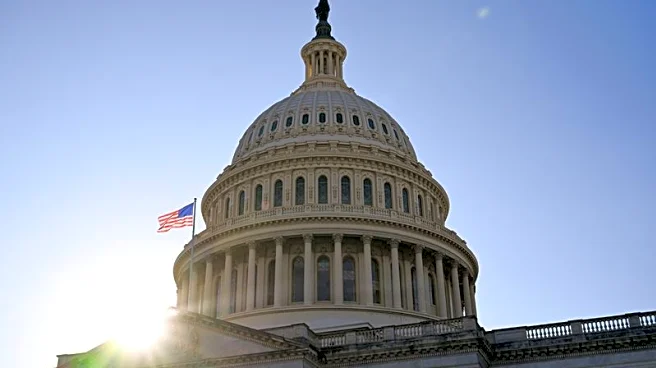
Further talks are scheduled for early March, with both sides expected to present detailed proposals to address existing gaps in their positions. The US administration faces pressure from Congress to avoid military action without legislative approval, highlighting the domestic political challenges in handling foreign policy. The international community will be closely monitoring these developments, as the potential for conflict or resolution could have far-reaching consequences. Stakeholders, including European allies and regional powers, may seek to influence the outcome to ensure stability and prevent escalation.