
What's Happening?
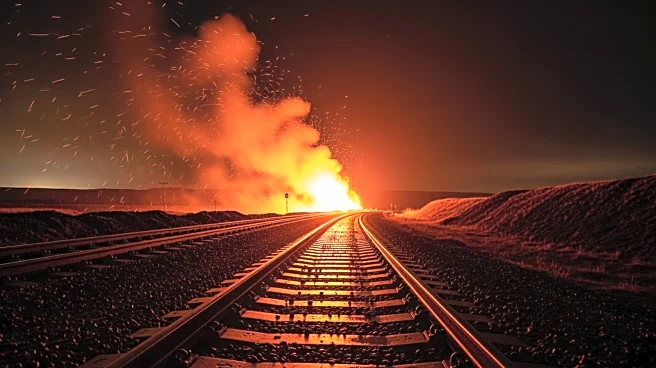
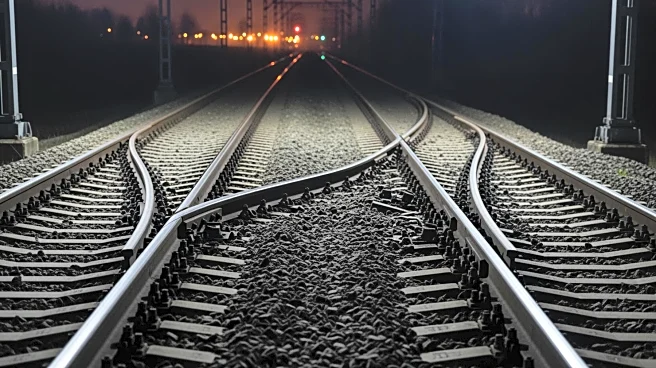
A tragic train collision in southern Spain has resulted in at least 40 fatalities and numerous injuries. The incident occurred when a high-speed train derailed and collided with another train traveling
in the opposite direction. The cause of the derailment remains unknown, but it has prompted a significant rescue and recovery operation. The crash took place near Adamuz in Córdoba province, involving trains operated by Iryo and Renfe. The Spanish government and rail operators are collaborating with authorities to investigate the accident, which has disrupted high-speed rail services between major cities in southern Spain.
Why It's Important?
This collision is one of the deadliest train accidents in Europe in recent years, highlighting potential safety concerns within the high-speed rail network. Spain's extensive rail infrastructure is a critical component of its transportation system, and such incidents can undermine public confidence in rail safety. The accident may lead to increased scrutiny of rail operations and infrastructure, potentially prompting regulatory changes or safety enhancements. The tragedy also underscores the importance of rigorous maintenance and inspection protocols to prevent similar occurrences in the future.
What's Next?
Authorities will continue their investigation to determine the cause of the derailment and collision. The findings could influence future safety measures and operational protocols for high-speed rail services. In the short term, rail services in the affected region will remain suspended, impacting travel and commerce. The Spanish government may face pressure to implement reforms or invest in infrastructure improvements to enhance rail safety. The international community will likely monitor the situation closely, as lessons learned could inform rail safety practices globally.