
What's Happening?
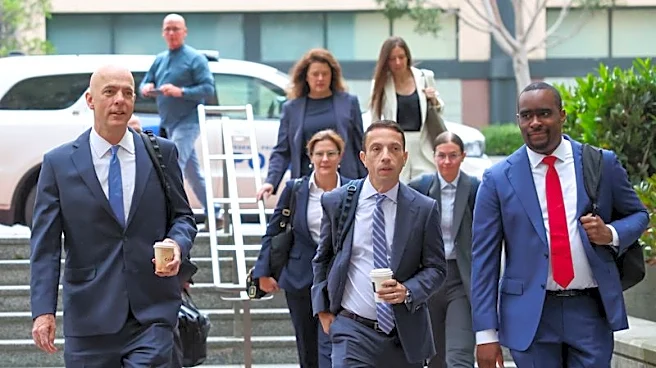
California Attorney General Rob Bonta has stated that a high-stakes child safety case against Meta Platforms, currently in federal court in Oakland, is centered on "civil penalties, restitution and distortion,"
rather than primarily on monetary damages. This clarification came after the first day of arguments in a trial expected to last six to seven weeks. Bonta, along with attorneys general from Colorado, New Jersey, and Kentucky, is co-leading the case, representing a bipartisan group of 29 AGs. These states allege that the design and features of Facebook and Instagram encourage addictive behavior in children and negatively impact their mental well-being. Meta's lawyers had previously warned that the consolidated case could lead to penalties as high as $1.4 trillion, a figure Bonta disputes, stating that $200 billion is a more likely estimate from the state AGs. The states' lawyers contend that Meta violated federal and state laws, including the Children's Online Privacy Protection Act (COPPA) and various consumer protection statutes.
Why It's Important?
This lawsuit is significant as it represents a concerted effort by multiple U.S. states to hold a major technology company accountable for the alleged impact of its platforms on children's mental health. The focus on civil penalties and restitution, rather than traditional damages, could set a precedent for how future legal challenges against tech giants are framed, potentially shifting the emphasis from compensating individuals to enforcing regulatory compliance and recovering ill-gotten gains. The outcome could influence the design and operational practices of social media platforms, compelling them to implement stricter safeguards for younger users. For Meta, a substantial financial penalty, even if less than the $1.4 trillion initially feared, could significantly impact its market capitalization and future investment strategies. Furthermore, the bipartisan nature of the coalition of attorneys general underscores a growing national concern across the political spectrum regarding the safety of children online, potentially leading to broader legislative actions or regulatory reforms at both state and federal levels.
What's Next?
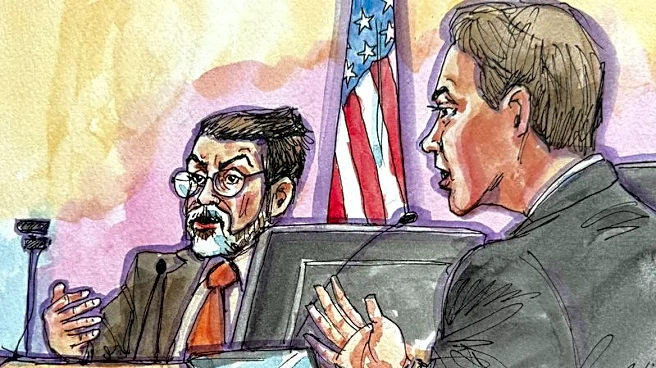
The trial in Oakland's federal court is anticipated to continue for another six to seven weeks. An advisory jury has been seated to hear the case, but the final decision rests with presiding federal Judge Yvonne Gonzalez Rogers. The states' lawyers have submitted documentation to the court, including statistics related to the number of young users on Meta's apps, which will serve as a rubric for determining potential civil penalties. Attorney General Bonta has explicitly stated that the plaintiffs are not seeking $1.4 trillion, clarifying that this figure was Meta's own estimate of the highest possible calculation. Instead, the states will be seeking a "significant financial gain in the form of total existing civil penalties," with the judge exercising discretion on the final amount. The resolution of this case could lead to new industry standards for child safety on social media platforms and potentially influence future legal actions against other tech companies.
Beyond the Headlines
The lawsuit against Meta delves into the complex ethical and societal implications of digital platform design, particularly concerning its impact on vulnerable populations like children. Beyond the financial penalties, the case highlights a broader societal debate about the responsibility of technology companies for the well-being of their users. The concept of "restitution and distortion" as the primary focus suggests a legal strategy aimed at rectifying perceived market failures and behavioral manipulation rather than just compensating for harm. This approach could pave the way for legal frameworks that prioritize public health and ethical design in the digital space. The outcome may also influence parental oversight and digital literacy initiatives, as families grapple with the challenges of managing children's online interactions. Ultimately, this trial could contribute to a re-evaluation of the balance between technological innovation, corporate responsibility, and public welfare in the digital age.