







What's Happening?
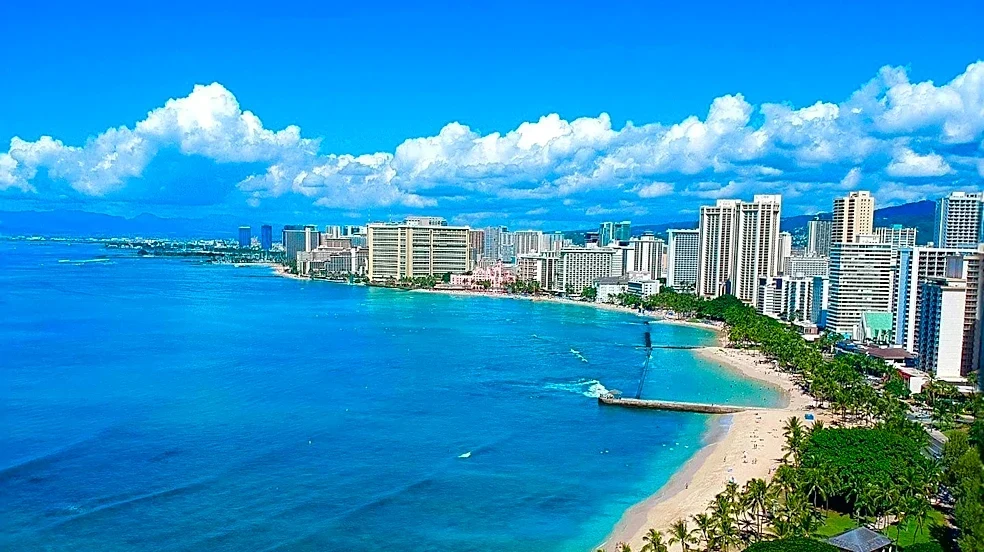
Oʻahu voters are being asked to consider Question 1, a proposed Honolulu Charter amendment that would establish a dedicated Food Security Fund. This fund would allocate 0.5% of existing estimated real property tax revenues annually to programs focused
on local food production and access. The measure is not a new tax but rather a redirection of existing revenues, giving voters a choice in how their tax dollars are spent. The initiative comes as Hawaiʻi faces a persistent hunger crisis, with the Hawaiʻi Foodbank distributing more food now than during the peak of the COVID-19 pandemic. According to Amy Miller, president and CEO of Hawaiʻi Foodbank, one in four Oʻahu households experienced food insecurity, highlighting the urgent need for systemic solutions beyond emergency food assistance.
Why It's Important?
This ballot measure is critical for addressing the deep-rooted issue of food insecurity in Hawaiʻi, particularly on Oʻahu. By establishing a dedicated Food Security Fund, the amendment aims to create a stable and recurring source of funding for initiatives that strengthen the local food system. This includes supporting local farmers, improving distribution networks, and increasing access to locally grown, nutritious food. Relying solely on emergency food assistance is unsustainable, and this measure seeks to build long-term resilience against food shortages, especially given Hawaiʻi's vulnerability to disruptions in transportation and supply chains during severe weather or other emergencies. Investing in local food production also contributes to the local economy and enhances overall community resilience, ensuring that residents have consistent access to healthy food.
What's Next?
Oʻahu voters will decide on Question 1 as they receive their general election ballots. If approved, the Honolulu Charter amendment will establish the dedicated Food Security Fund, which will then begin to receive 0.5% of existing estimated real property tax revenues annually. This funding will be directed towards programs designed to improve food access and strengthen Oʻahu’s local food supply. The Hawaiʻi Foodbank and other community partners will likely play a significant role in advocating for the measure's passage and, if successful, in collaborating on the implementation of programs supported by the new fund. The outcome of this vote will determine the future of a dedicated, systemic approach to food security in Honolulu.
Beyond the Headlines
The proposed Food Security Fund represents a significant shift from reactive emergency aid to proactive, systemic investment in food infrastructure. This initiative acknowledges that food insecurity is not merely a problem of insufficient food, but also one of access, distribution, and local production capacity. By focusing on strengthening the local food system, Hawaiʻi aims to reduce its reliance on external supply chains, which are often vulnerable to global disruptions. This approach has broader implications for public health, as access to fresh, nutritious food can combat diet-related diseases. Furthermore, it highlights a growing trend in local governance to empower communities to directly influence how public funds are allocated to address pressing social issues, fostering greater civic participation and ownership over community well-being.