



What's Happening?
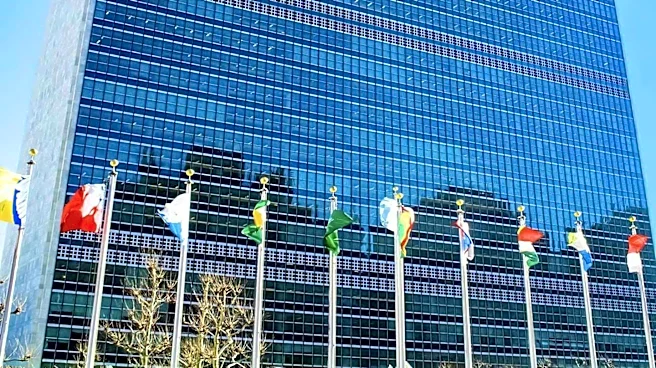
On January 20, 2025, the President Trump administration announced its intention to withdraw the United States from the World Health Organization (WHO) and parts of the United Nations, including UNICEF's parent organization. This was followed by significant
cuts to the U.S. Agency for International Development (USAID), with approximately $230 million dedicated to global polio eradication evaporating. Elon Musk, then head of the White House's Department of Governmental Efficiency (DOGE), oversaw these cuts. A March 2025 memo from Nicholas Enrich, then acting assistant administrator for global health at USAID, warned that these cuts could lead to an additional 200,000 severe polio cases annually in the U.S., exacerbated by declining polio immunization rates. The Global Polio Eradication Initiative (GPEI) reported a 60% increase in wild polio viruses detected in 2025 compared to 2019, with its Independent Monitoring Board (IMB) calling the funding cuts an 'existential threat' to a polio-free world. Senator Jeanne Shaheen (D-NH) expressed concern that unchecked polio spread abroad increases the risk of resurgence in the U.S.
Why It's Important?
The withdrawal of U.S. funding and engagement from key international health organizations like WHO and UNICEF, coupled with cuts to USAID, significantly undermines global polio eradication efforts. Historically, the U.S. has been a major financial and technical contributor to these initiatives, providing critical infrastructure and expertise. The reduction in funding directly impacts 'soft aspects' of programs, such as social mobilization and surveillance, which are crucial for reaching remote populations and detecting cases. This policy shift not only jeopardizes the progress made in countries where polio is still endemic but also poses a direct threat to U.S. national security and public health. A resurgence of polio globally increases the likelihood of outbreaks within the U.S., particularly given declining domestic vaccination rates and growing anti-vaccine sentiment, as highlighted by the New York case and the KFF polls showing a decrease in parental confidence in the polio vaccine.
What's Next?
The immediate future could see a continued rise in polio cases globally, especially in regions where vaccination campaigns are now underfunded or disrupted. The IMB's warning of an 'existential threat' suggests that the goal of a polio-free world may become unattainable without renewed international commitment and funding. Domestically, the U.S. faces the challenge of addressing declining vaccination rates and combating anti-vaccine messaging, which could lead to localized outbreaks. The administration's 'America First Global Health Strategy' (AFGHS), which prioritizes bilateral agreements, has yet to demonstrate its effectiveness in critical areas like polio eradication, particularly as key endemic countries have not signed agreements. The debate over global health funding is likely to continue in Congress, with some policymakers advocating for the reinstatement of funding to international organizations, citing the direct implications for American health security.
Beyond the Headlines
The U.S. policy changes reflect a broader ideological shift towards 'America First' principles, which prioritize national interests over multilateral cooperation. This approach, while intended to streamline aid and reduce perceived inefficiencies, risks dismantling decades of established global health infrastructure and expertise. The long-term implications extend beyond polio, potentially weakening the global early warning system for other infectious diseases and undermining international efforts to combat future pandemics. The emphasis on 'individual autonomy' over public health, as articulated by some administration officials, challenges the foundational principles of collective health security. This ideological divide could lead to a more fragmented global health landscape, where coordinated responses to transnational health threats become increasingly difficult, ultimately making all nations, including the U.S., more vulnerable.