



What's Happening?
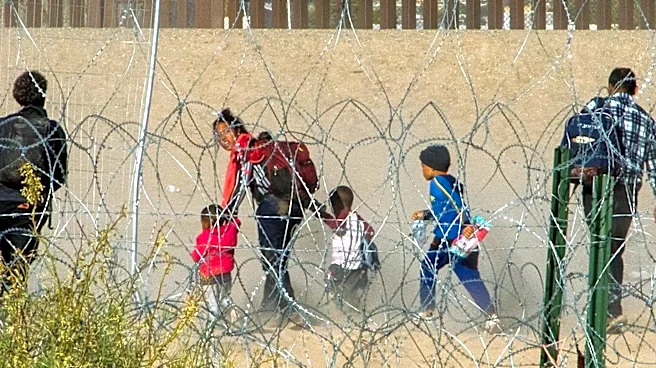
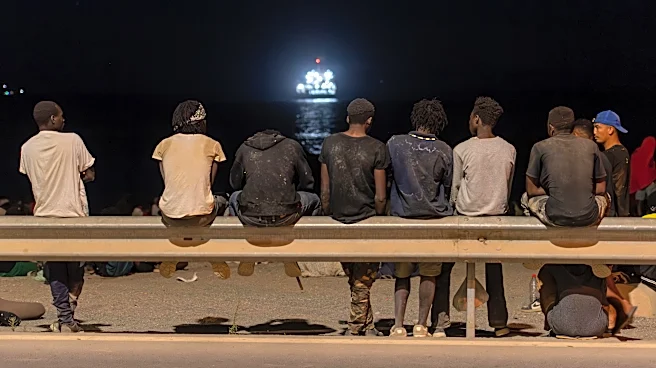
The European Commission is in discussions with Spain to provide additional financial support following a significant surge of migrants into the Spanish exclave of Ceuta from Morocco. Over 72,000 individuals crossed into Ceuta, prompting Spain to seek
assistance from the EU. The European Commission spokesperson, Guillaume Mercier, confirmed that technical discussions are underway, and Spain is expected to formally apply for funding. The aid could be used for border management, humanitarian aid, and medical assistance. Despite the return of 70,000 individuals to Morocco, around 5,000 remain in Ceuta, including 860 unaccompanied minors. The situation has strained local resources, with NGOs like Luna Blanca providing essential services such as meals to the migrants.
Why It's Important?
This development highlights the ongoing challenges faced by European countries in managing migration flows and the humanitarian needs that arise from such crises. The situation in Ceuta underscores the need for coordinated EU responses to migration, as well as the importance of financial and logistical support to affected regions. The crisis also reflects broader European debates on migration policy and the capacity of local and national governments to handle sudden influxes of migrants. The EU's response could set a precedent for future migration-related support and cooperation among member states.
What's Next?
Spain is expected to submit a formal application for EU funding, which will be reviewed by the European Commission. The outcome of this application will determine the level of support provided to Ceuta. Additionally, the EU may consider further measures to address migration challenges, including policy adjustments and increased collaboration with neighboring countries. The situation in Ceuta may also prompt discussions on long-term strategies for managing migration and supporting affected regions.