






What's Happening?
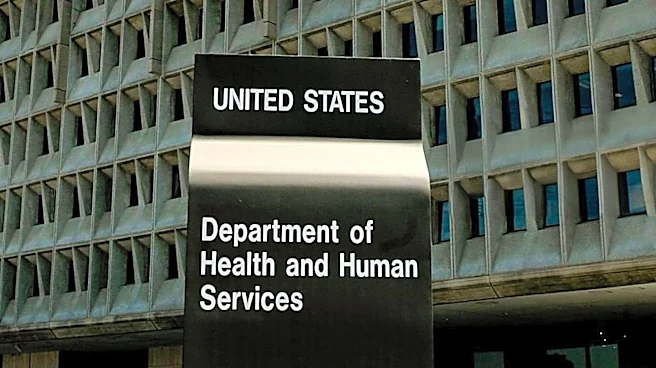
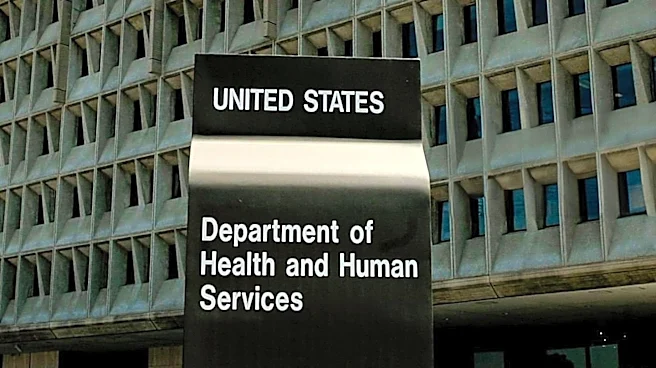
The Department of Health and Human Services (HHS) has finalized new rules under the Health Insurance Portability and Accountability Act (HIPAA) aimed at significantly speeding up patients' access to their medical records. The new regulation, set to be
published in the Federal Register, mandates that healthcare providers and insurers must respond to patient requests for records within 15 days, a reduction from the previous 30-day allowance, with only one 30-day extension permitted. Additionally, the rule facilitates the electronic transfer of records to patient-chosen apps, imposes limits on fees for copies, and relaxes restrictions on sharing patient information with social service agencies and community groups involved in care coordination. The HHS Office for Civil Rights, responsible for HIPAA enforcement, states these changes will bolster patient rights and alleviate regulatory burdens within the healthcare system. However, privacy advocates note that these rules do not extend HIPAA protections to consumer-facing health apps or fitness trackers once data is transferred.
Why It's Important?
This regulatory update is significant for patient autonomy and the efficiency of healthcare information exchange in the U.S. By halving the response time for record requests, patients can gain quicker access to their health data, potentially leading to more informed healthcare decisions and improved continuity of care. The ability to easily transfer electronic records to personal health apps could empower individuals to better manage their health information and engage with digital health tools. Furthermore, easing data sharing with social service agencies aims to enhance care coordination, particularly for vulnerable populations who may benefit from integrated health and social support. However, the acknowledged gap in HIPAA coverage for third-party health apps highlights a growing concern about data privacy in the digital health landscape, leaving consumer data potentially unprotected once it leaves the direct healthcare system. This could create new vulnerabilities for sensitive personal health information.
What's Next?
The new HIPAA rule will take effect 60 days after its publication, approximately around January 18. Healthcare providers and plans will then have 180 days from that effective date, roughly until mid-July 2027, to achieve full compliance, with additional time granted for updating specific business associate contracts. During this implementation period, covered entities will need to adjust their internal processes, update their information systems, and train staff to meet the new, expedited timelines for record requests and revised data sharing protocols. The American Hospital Association is currently reviewing the rule, and their response, along with those from other industry stakeholders, will be crucial in understanding the practical challenges and adaptations required. The ongoing debate about the scope of HIPAA and the privacy of health data in consumer apps is also likely to continue, potentially leading to future legislative or regulatory efforts to address these emerging concerns.
Beyond the Headlines
The revised HIPAA rules underscore a broader shift towards greater patient empowerment and interoperability within the U.S. healthcare system, driven by technological advancements and increasing demands for data access. While the immediate focus is on faster record delivery, the long-term implications include fostering a more patient-centric healthcare model where individuals have more control over their health information. However, the explicit limitation of HIPAA's reach once data enters consumer apps raises critical ethical and legal questions about data governance in the evolving digital health ecosystem. This regulatory gap could lead to a two-tiered system of data protection, where data within traditional healthcare settings is rigorously protected, but the same data, once shared with personal health apps, faces fewer safeguards. This disparity could erode patient trust in digital health tools and necessitate future policy interventions to ensure comprehensive privacy protections across the entire spectrum of health data management.