






What's Happening?
Extreme drought conditions in Floyd County, Texas, have led to a substantial reduction in this year's pumpkin harvest. According to Texas A&M AgriLife, yields are down by an estimated 30% to 40% in the area, which is known as the Pumpkin Capital of Texas.
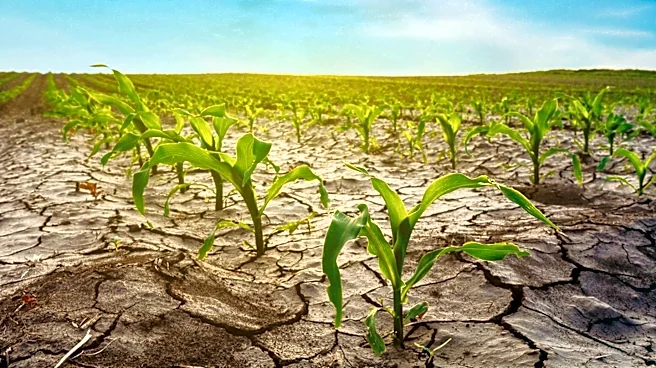
Farmers typically plant between 700 and 1,600 acres of pumpkins annually. However, this year, the growing season began without the usual subsoil moisture crucial for hydrating crops during dry periods. Mark Carroll, Texas A&M AgriLife Extension agriculture and natural resources agent for Floyd County, described this as the driest year he has experienced in nearly two decades. The county also endured over two months with minimal rainfall, forcing farmers to rely heavily on irrigation. This lack of natural precipitation meant that even with irrigation, it was insufficient to sustain optimal crop growth, leading to fewer pumpkins and some not fully maturing. The drought impacted various pumpkin types, including jack-o'-lanterns, pie pumpkins, crystal pumpkins, and Cinderella pumpkins.
Why It's Important?
The reduced pumpkin harvest in Floyd County highlights the significant vulnerability of agricultural production to extreme weather events, particularly drought. This situation underscores the economic challenges faced by farmers who depend on consistent weather patterns for their livelihoods. While the immediate impact on North Texas consumers may not be a pumpkin shortage, as some local farms like Preston Trail Farms have managed to secure supplies, the broader implications for the agricultural sector are considerable. Farmers are already contending with rising input costs for herbicides, fuel, and other operational expenses. A diminished yield due to drought exacerbates these financial pressures, potentially leading to reduced profitability and long-term sustainability concerns for farming operations. The situation also brings into focus the need for resilient agricultural practices and water management strategies in regions prone to drought, as the economic stability of rural communities often hinges on successful harvests.
What's Next?
The harvest in Floyd County is expected to conclude one to two weeks earlier than usual this year. Despite the reduced yields, pumpkin producers do not anticipate higher prices for consumers this season, and farms like Preston Trail Farms are maintaining last year's pricing. However, the long-term outlook for agriculture in the region remains uncertain. Some Floyd County farmers are reportedly considering shifting from dryland crops like cotton and pumpkins to planting grasses for livestock in the coming year, indicating a potential change in agricultural land use and production focus. This shift could have broader implications for the types of crops grown in the area and the overall agricultural economy. The ongoing challenges of rising production costs, coupled with unpredictable weather patterns, will likely continue to influence farmers' decisions regarding crop selection and resource allocation in future growing seasons.
Beyond the Headlines
The severe drought in Texas and its impact on the pumpkin harvest reveal deeper issues concerning climate resilience and food security in the U.S. The reliance on irrigation in the absence of natural rainfall points to the increasing strain on water resources, a critical concern in many agricultural regions. This situation could accelerate the adoption of more water-efficient farming technologies and practices, or conversely, lead to a decline in certain types of agriculture in drought-prone areas. The consideration by some farmers to switch from crops to livestock grazing also signals a potential long-term shift in regional agricultural landscapes and economies. This could affect local food supply chains, consumer choices, and the cultural significance of seasonal produce like pumpkins. Furthermore, the event underscores the broader economic ripple effects of climate change, impacting not just farmers but also related industries and the overall cost of living, even if direct consumer prices for pumpkins remain stable this year.