




What's Happening?
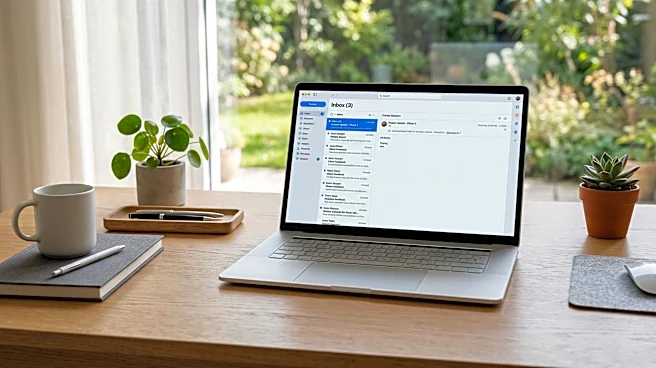
Permit Sonoma has issued a fraud alert regarding sophisticated email scams targeting property owners, applicants, contractors, and building professionals. Scammers are reportedly using publicly available permit and application information to create official-looking
emails and fraudulent invoices. These emails contain accurate project descriptions, permit numbers, property addresses, and even the names of Permit Sonoma leadership. The fraudulent communications claim that staff have recommended application approval and instruct recipients to reply directly to the email for payment instructions. Permit Sonoma emphasizes that it does not accept payments via email, wire transfer, peer-to-peer services like Venmo or PayPal, or cryptocurrency. The agency advises vigilance against emails not originating from '@sonomacounty.gov' addresses, unexpected invoices, unusually high fees, pressure to pay to avoid delays, and requests for exclusive email communication for payment.
Why It's Important?
This scam poses a significant threat to individuals and businesses engaged in the permitting process, potentially leading to financial losses and delays in critical projects. The use of accurate project details and official names lends credibility to these fraudulent emails, making them difficult to distinguish from legitimate communications. Victims could lose money to scammers and still owe legitimate fees to Permit Sonoma, creating a double financial burden. Furthermore, the scam could erode trust in official government communications and processes, making it harder for legitimate agencies to interact with the public. The reliance on publicly available information for these scams highlights a vulnerability in how project details are shared, which could prompt a review of data accessibility and security protocols.
What's Next?
Permit Sonoma is urging all applicants and professionals to verify any unexpected payment requests directly through its official online permitting portal or by contacting staff using known contact information. Individuals who believe they have received a fraudulent email or have been victimized are advised to report the incident to Permit Sonoma and file a complaint with the FBI Internet Crime Complaint Center (IC3). The agency is also asking the public to share this advisory to help prevent further fraud. Increased awareness and adherence to verification protocols will be crucial in mitigating the impact of these scams and protecting the community from financial harm.
Beyond the Headlines
The sophistication of these scams, leveraging accurate project data and impersonating officials, points to an evolving landscape of digital fraud where criminals are becoming increasingly adept at social engineering. This trend underscores a broader challenge for government agencies and the public in distinguishing legitimate digital communications from fraudulent ones. It highlights the need for continuous public education on cybersecurity best practices and for agencies to implement robust, clear, and secure communication channels for financial transactions. The incident also raises questions about the balance between transparency in public records and the potential for that information to be exploited by malicious actors, potentially leading to discussions about data privacy and security in public-facing government services.