







What's Happening?
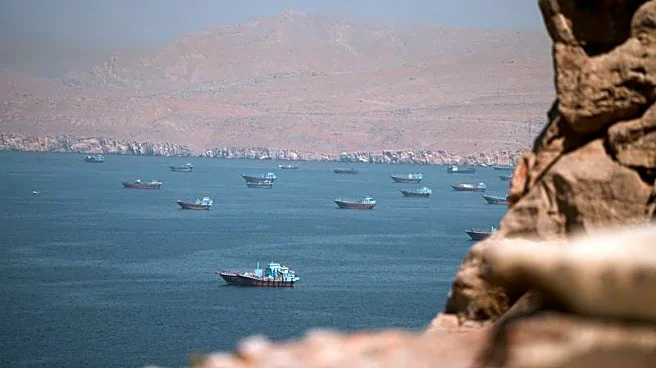
Omsan Logistics Chairman Ergun Ariburnu highlighted the strategic importance of diversifying international shipping routes due to geopolitical instability, particularly in the Strait of Hormuz. The Asia-Pacific region is actively seeking alternative trade
routes to secure supply chains and mitigate risks associated with disruptions at key transit points like the Strait of Hormuz, Suez Canal, and Panama Canal. Türkiye is positioning itself as a regional logistics hub by investing in its railway system, seaports, and international transport connections. The country has been developing alternative transport corridors since 2007, including the Middle Corridor and the Zanzibar Corridor, to enhance goods transit between Asia, Europe, and Africa.
Why It's Important?
The diversification of trade routes is crucial for maintaining global supply chain stability, especially given the heavy reliance on sea routes for international trade. Disruptions at strategic points can significantly impact shipping costs and global supply chains. By investing in alternative routes, countries like Türkiye can reduce dependency on traditional pathways and enhance their role in global logistics. This shift could lead to more resilient trade networks, benefiting industries reliant on stable and predictable shipping routes. The move also underscores the importance of geopolitical stability in maintaining economic growth and international trade flows.