







What's Happening?
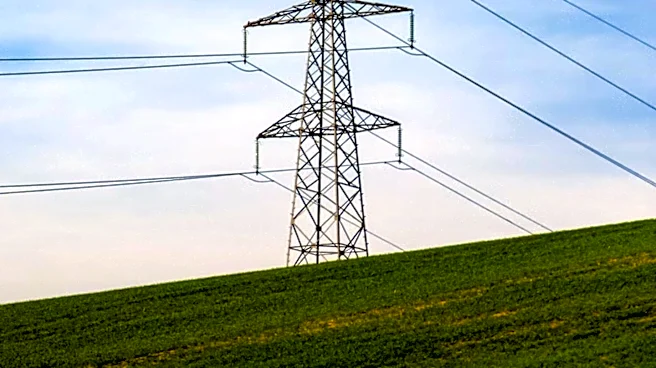
Dominion Energy's Strategic Underground Program has significantly reduced power outage durations in the Georgetown neighborhood of Chesapeake, Virginia. Previously, residents experienced outages lasting an average of 11 hours during storms, primarily
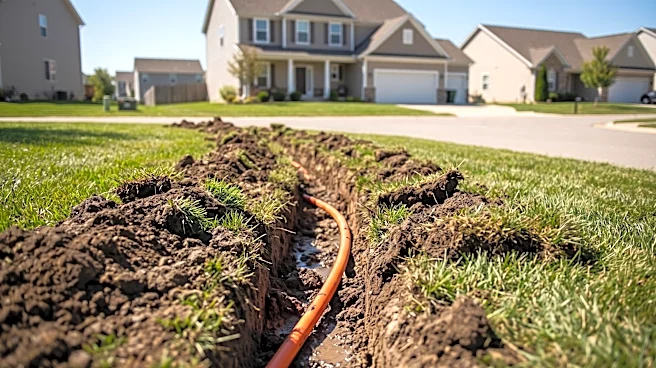
due to tree limbs impacting overhead power lines. Since the conversion of the Georgetown neighborhood in 2024, the area has reported zero significant outages, with average outage times now reduced to approximately two minutes. This program was developed by Dominion Energy through research evaluating outage frequency over a 10-year period. Christina Murff, a communications consultant with Dominion Energy, stated that this initiative not only benefits individual communities but also enhances the efficiency of the broader power grid and allows for more effective deployment of crews.
Why It's Important?
The success of Dominion Energy's Strategic Underground Program in Chesapeake has significant implications for infrastructure resilience and public services across the U.S. Reducing power outage times from 11 hours to two minutes dramatically improves quality of life for residents, minimizes economic disruptions for local businesses, and enhances public safety during severe weather events. This program demonstrates a proactive approach to modernizing aging infrastructure and mitigating the impacts of environmental factors on essential services. The ability to reallocate crews more efficiently means faster restoration for other areas, improving overall grid reliability. This model could serve as a blueprint for other utility companies facing similar challenges with overhead power lines, particularly in regions prone to storms and vegetation-related outages, thereby contributing to a more robust national energy infrastructure.
What's Next?
Dominion Energy is continuing to evaluate projects and collaborate with homeowners to identify additional areas that qualify for the Strategic Underground Program throughout the community and the state. This ongoing assessment suggests a phased expansion of the program, potentially bringing similar benefits to more neighborhoods in Virginia. The utility company will likely continue to monitor the performance of converted areas like Georgetown to gather further data on the program's effectiveness and cost-efficiency. Other utility providers across the U.S. may observe Dominion Energy's progress and consider implementing similar undergrounding initiatives, especially as climate change contributes to more frequent and intense weather events. Future developments will involve continued investment in infrastructure upgrades and community engagement to facilitate these conversions.
Beyond the Headlines
Beyond the immediate benefits of reduced power outages, Dominion Energy's program touches upon broader themes of climate adaptation and urban planning. As extreme weather events become more common, resilient infrastructure is crucial. Undergrounding power lines, while costly upfront, offers long-term benefits in terms of reliability, safety, and aesthetics. This initiative also highlights the evolving relationship between utility companies and communities, emphasizing collaboration in infrastructure development. The shift from overhead to underground lines can reduce visual clutter and potential hazards, contributing to a more livable urban environment. Furthermore, the program's success could influence policy discussions at state and federal levels regarding infrastructure investment, encouraging incentives for similar projects that enhance national resilience against environmental challenges and improve public utility services.